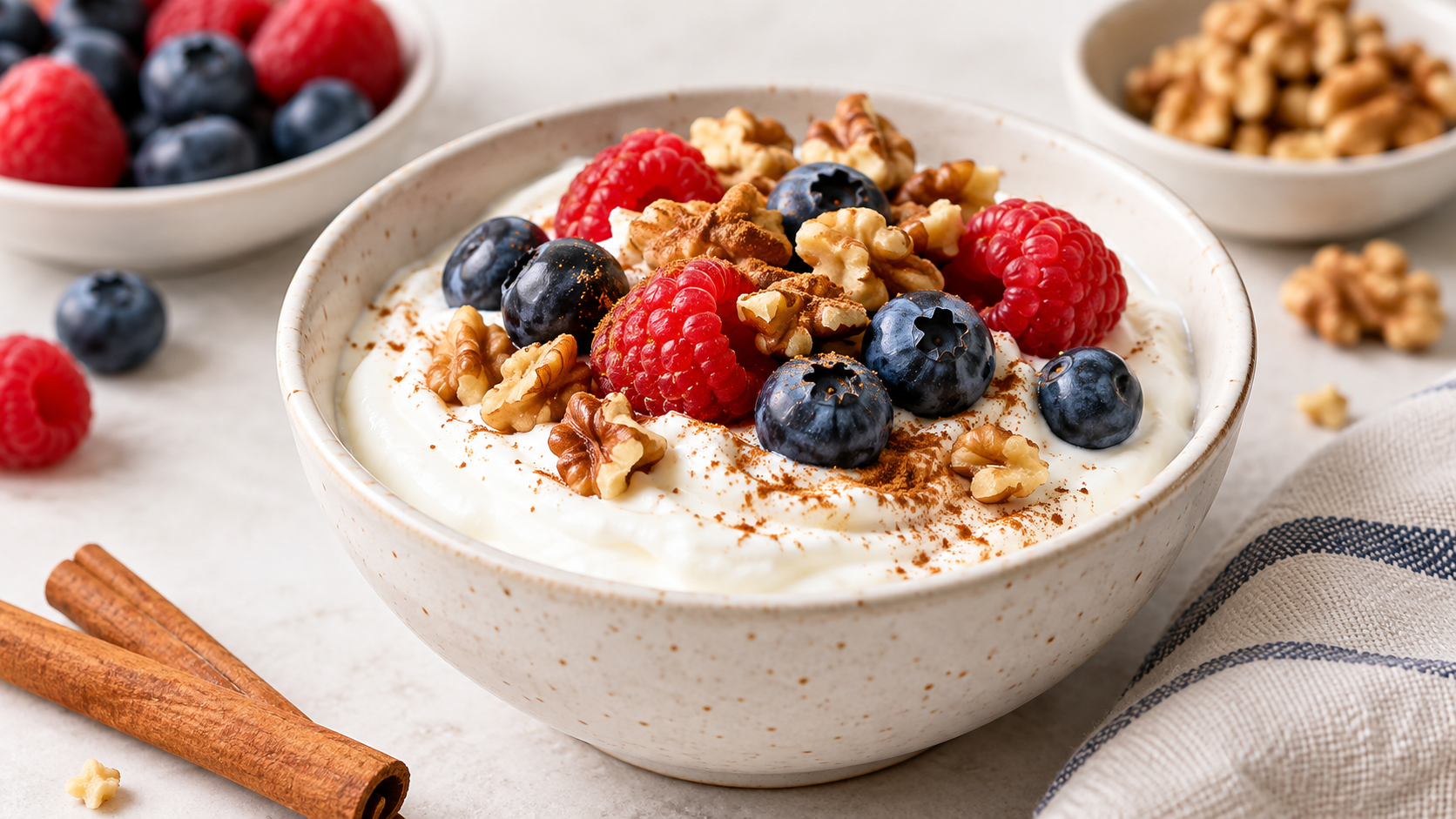
Is Greek yogurt really good for you? Discover how this protein-rich food may support gut health, bone health, and weight management. Learn about its nutritional benefits, how it compares to regular yogurt, and what registered dietitians recommend when choosing the healthiest option.
Why does your weight fluctuate from day to day, even when your eating habits haven't changed? Discover six common causes of daily weight fluctuations, including water retention, sodium, carbohydrates, hormones, exercise, and digestion. Learn how to interpret changes on the scale and focus on long-term trends with guidance from Compass Nutrition's registered dietitians.
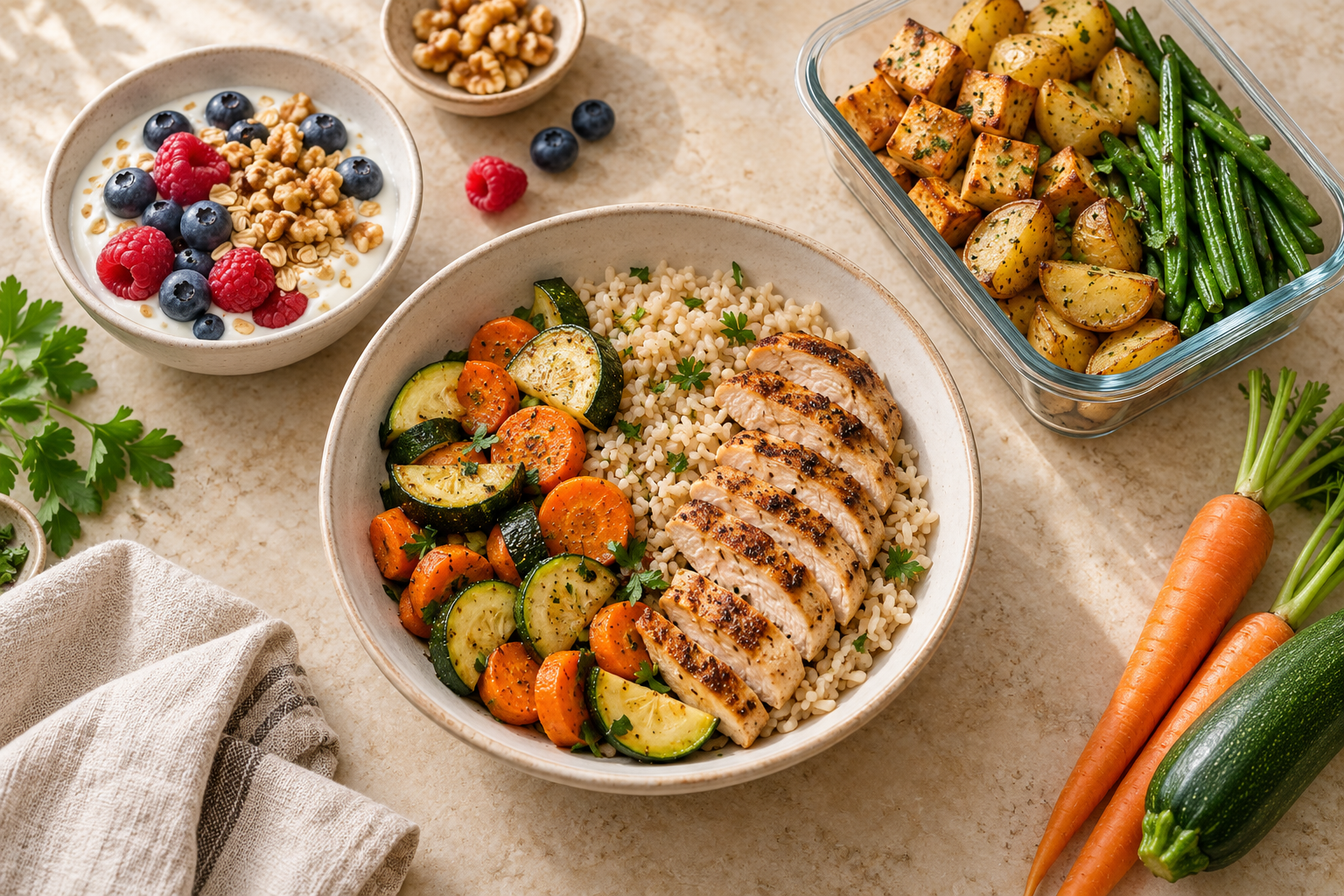
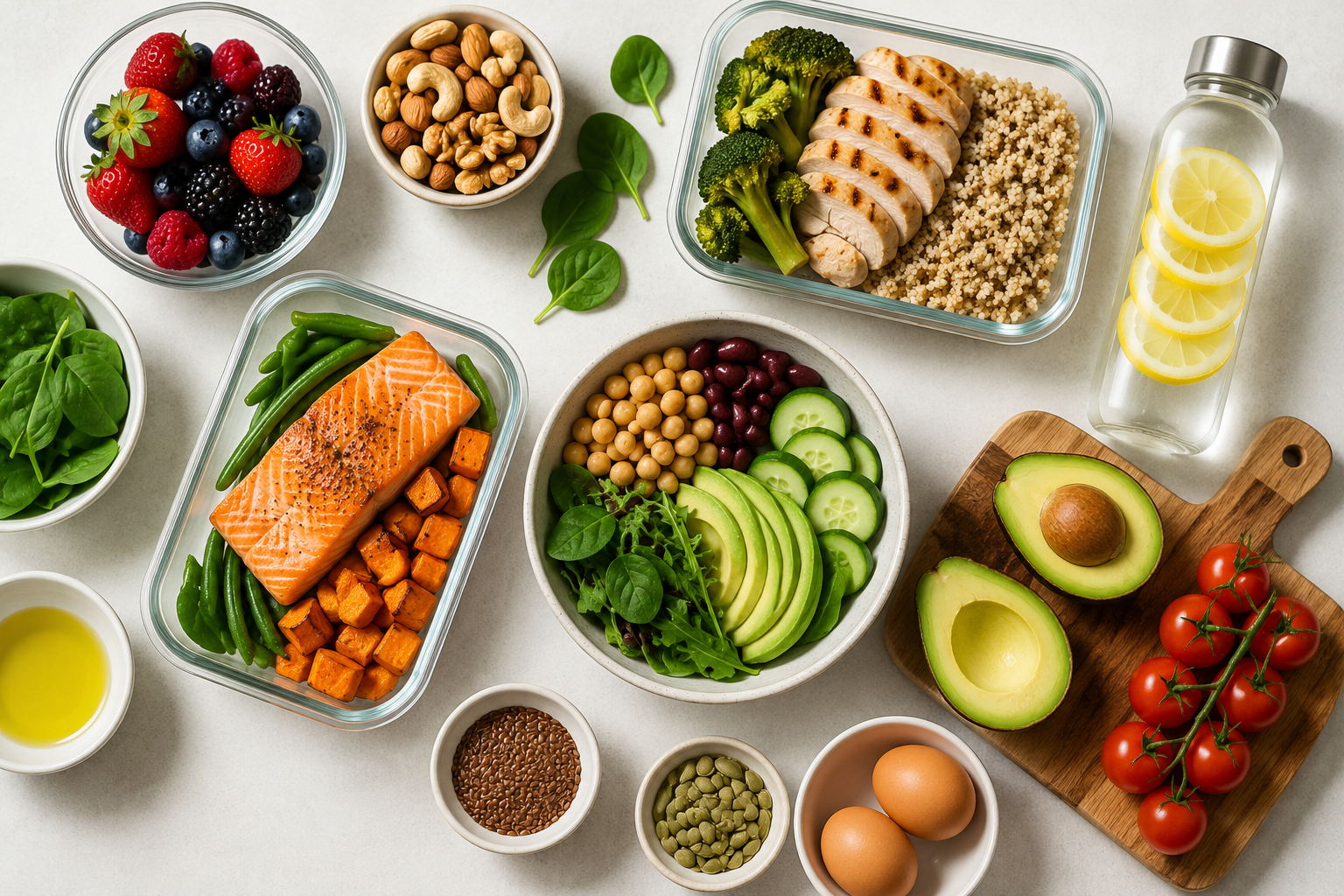
Not sure what to eat while taking Ozempic, Wegovy, Mounjaro, or Zepbound? Explore simple meal ideas, practical shopping tips, and an easy planning routine. For more structure, our dietitian-created 7-Day GLP-1 Meal Plan brings meals, recipes, and a grocery list together.
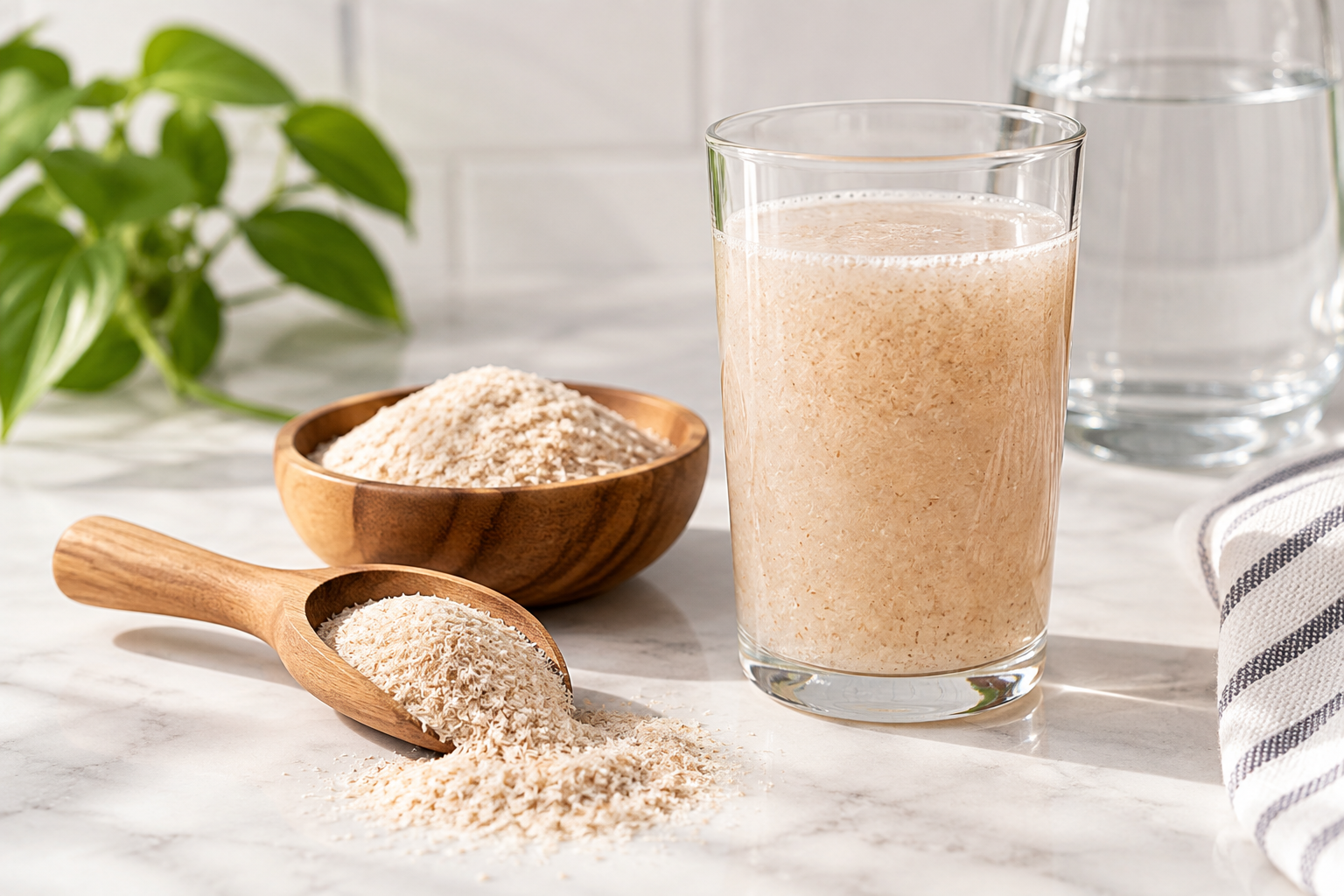
Psyllium husk is one of the most studied fiber supplements for constipation—but using it effectively takes more than simply adding fiber. Learn how psyllium works, why hydration matters, and how nutrition, lifestyle, and consistent habits can support better digestive health.
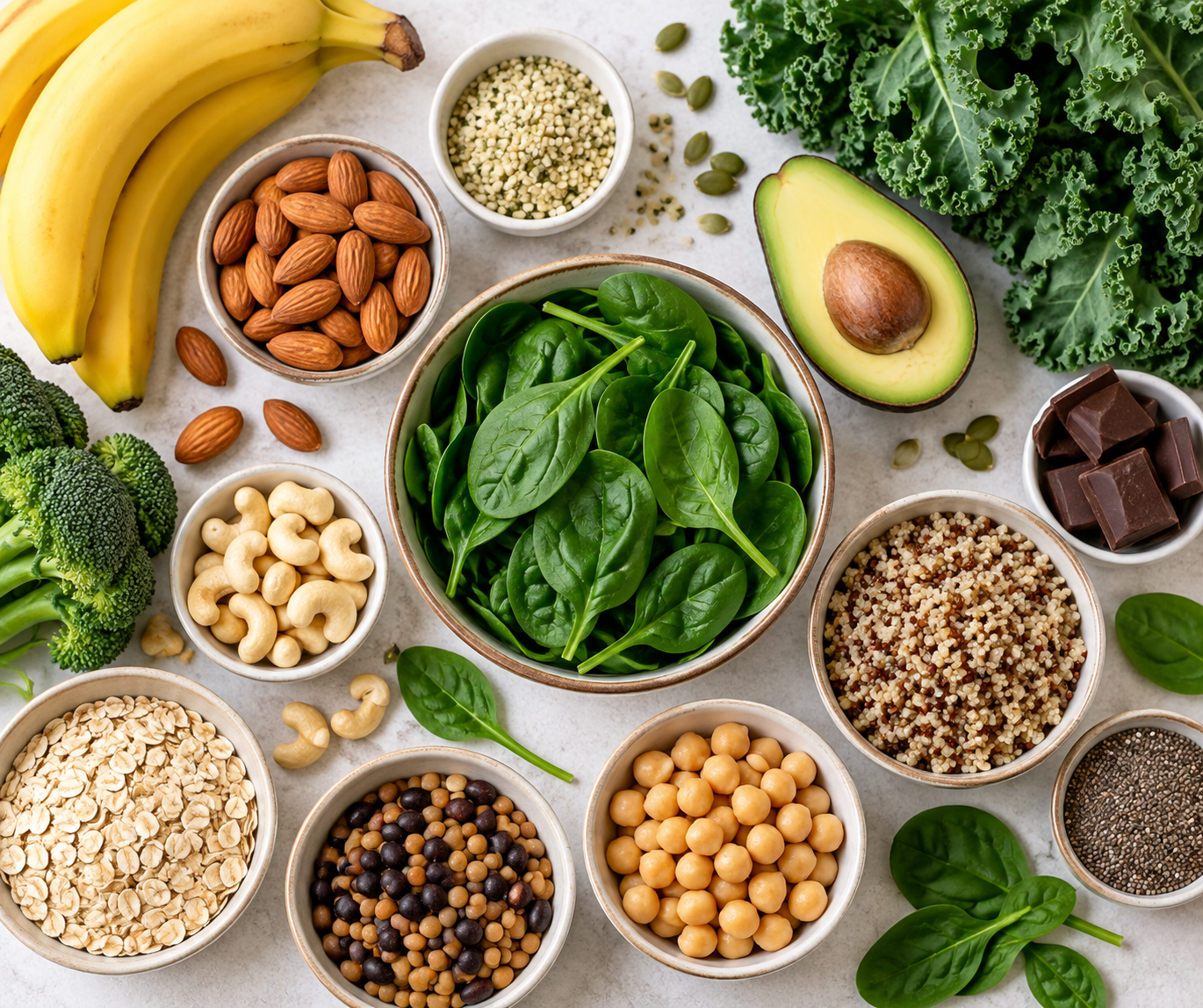
Magnesium does much more than support sleep. This essential mineral plays a role in energy, muscle function, blood sugar balance, heart health, and more. Learn the best magnesium-rich foods, signs you may not be getting enough, and when supplements may be worth considering.
Feeling foggy as you get back into your routine? These simple dietitian-approved strategies can help support focus, steady energy and better nutrition throughout a busy day.
Can nutrition help with ADHD symptoms? Learn which nutrients matter, how ADHD can affect eating habits, and simple strategies for more consistent meals.
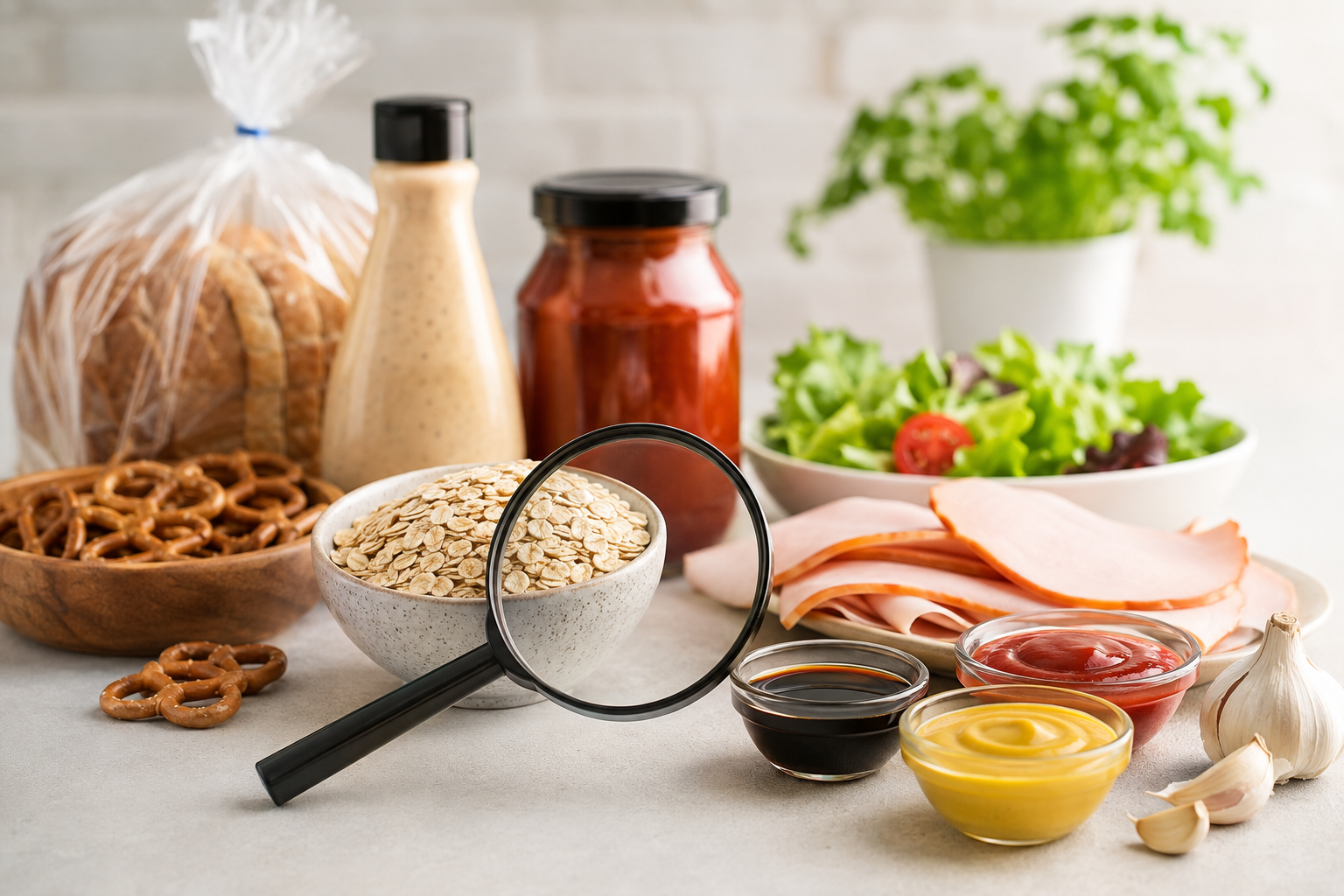
Gluten can hide in more places than bread and pasta. Learn how to spot unexpected sources of gluten in sauces, packaged foods, oats, medications, supplements, and restaurant meals—and get practical tips for navigating a gluten-free diet with confidence.
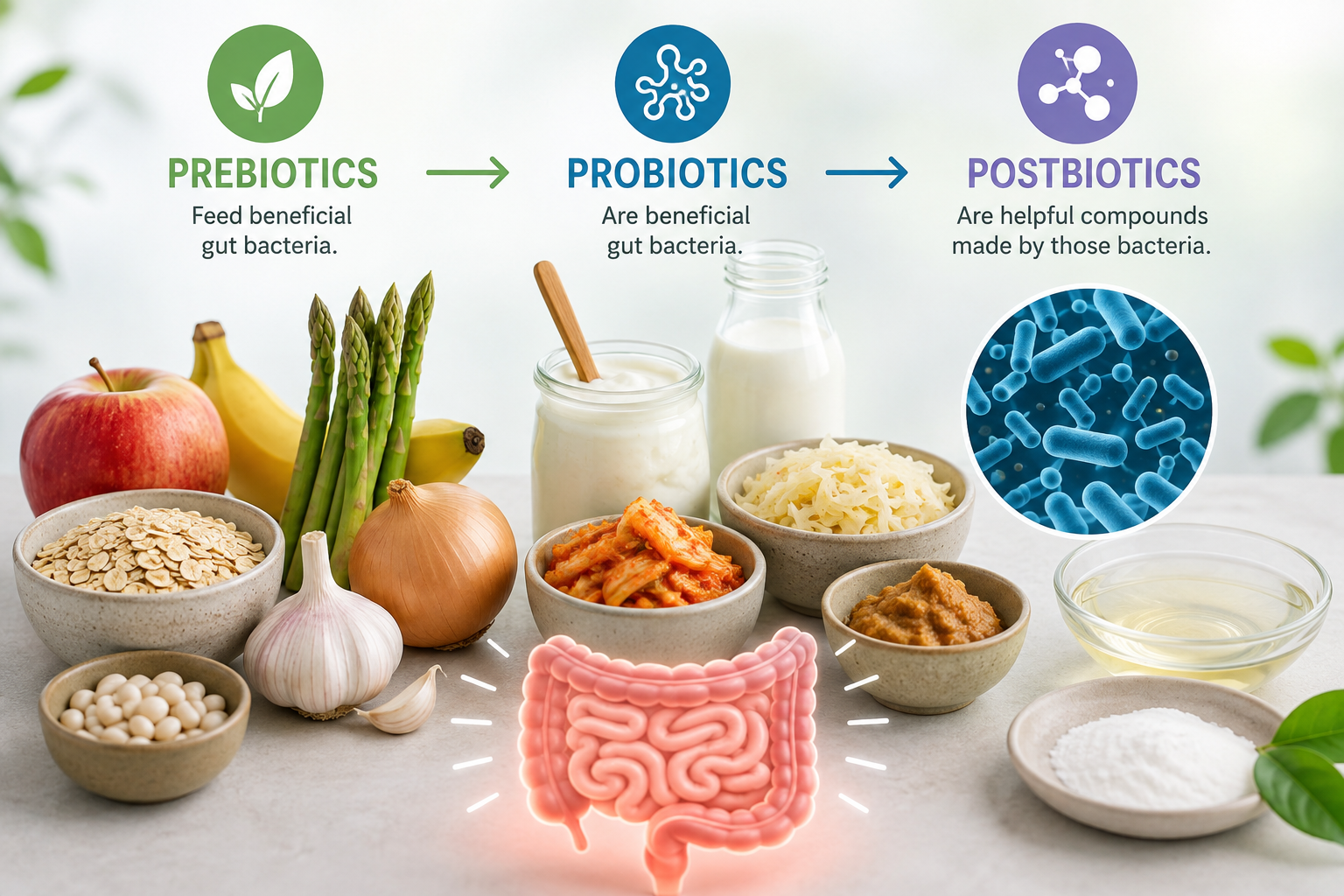
Learn the difference between prebiotics, probiotics, and postbiotics—and how each may affect IBS symptoms. Discover food sources, potential benefits, and simple tips for supporting your gut health without making symptoms worse.
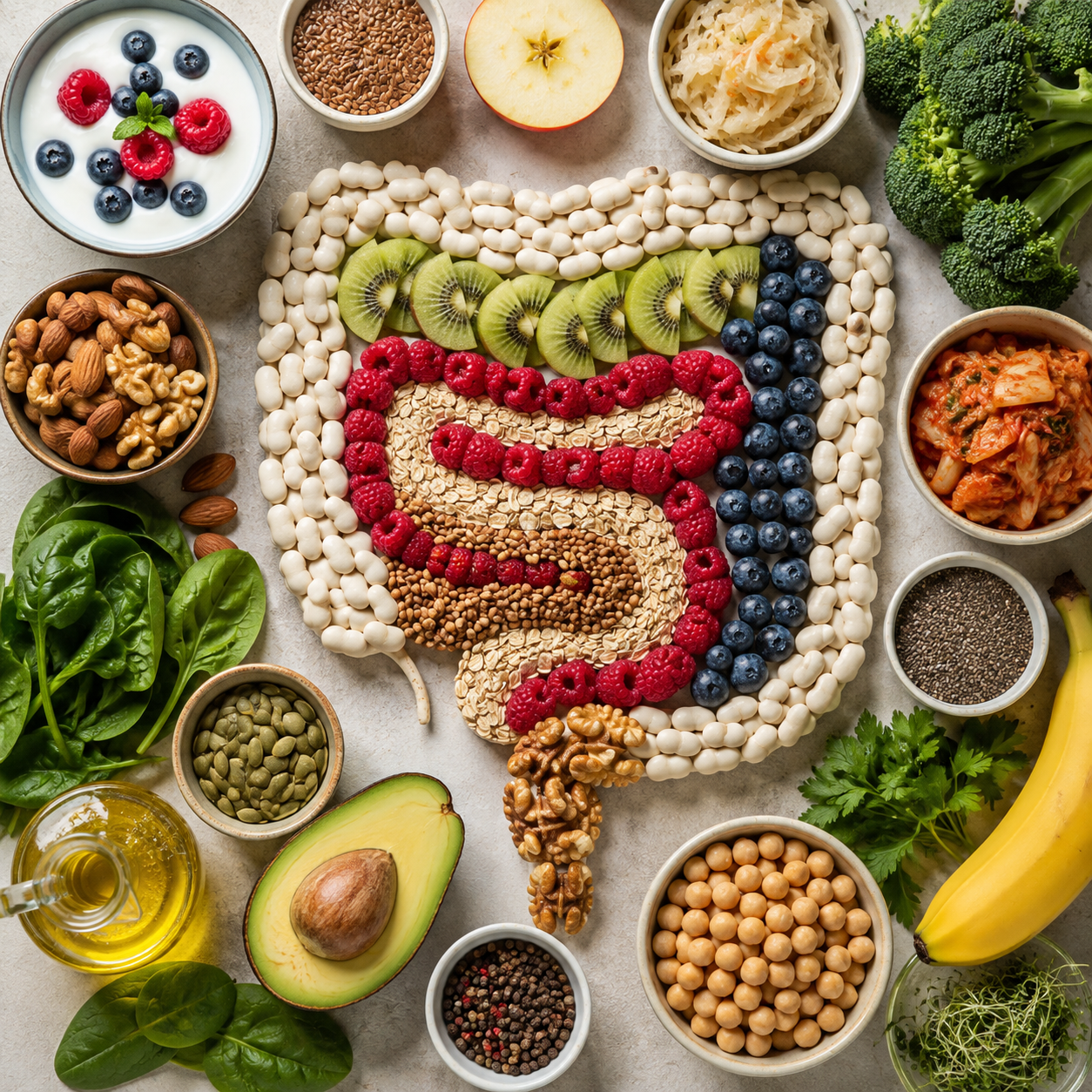
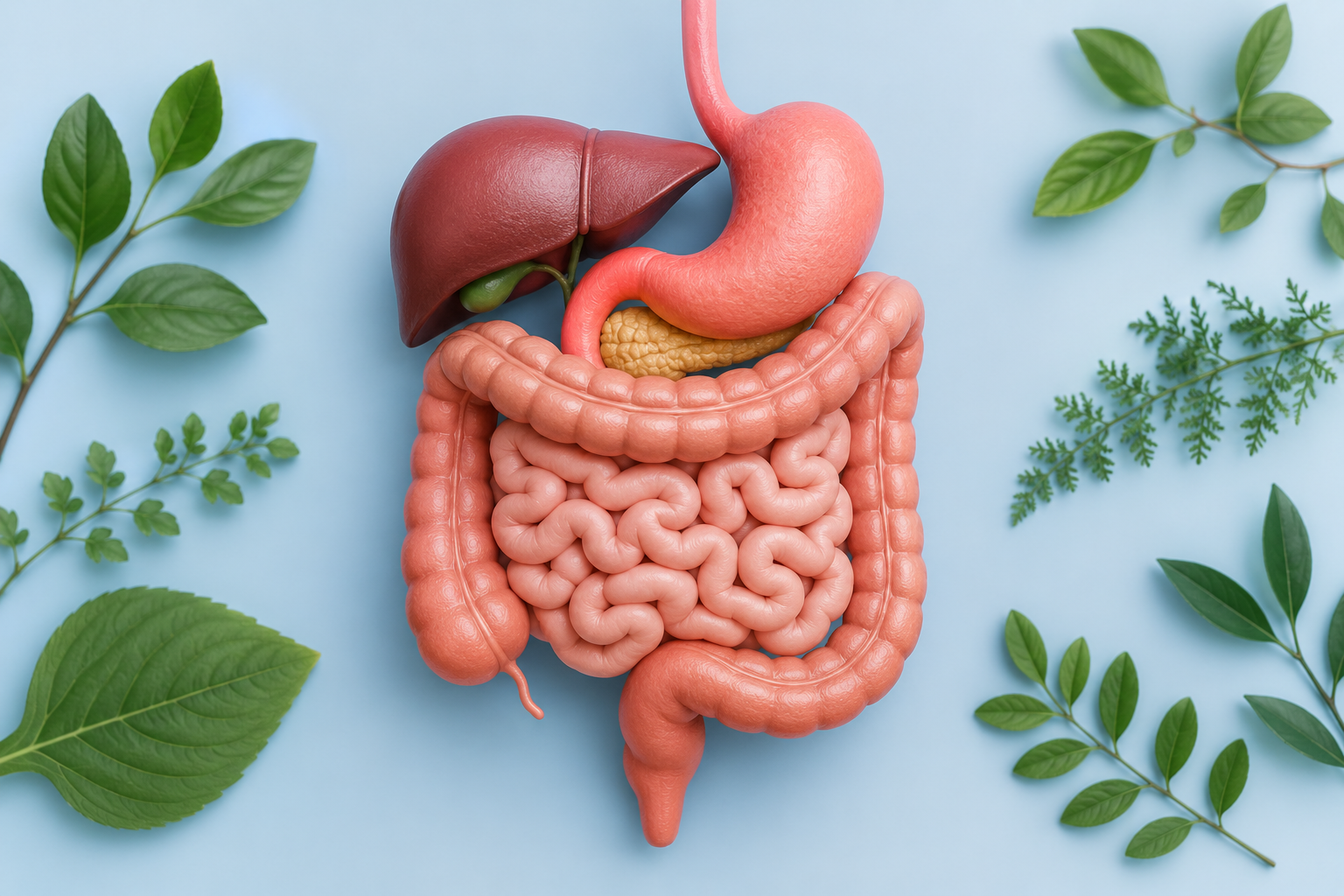
Your gut health can affect more than just digestion. Learn seven common signs your gut may need more attention, what can impact your gut microbiome, and practical ways to support better digestive health through nutrition and lifestyle.
Wondering if digestive enzymes really work? A registered dietitian explains who benefits, when supplements help, and the best picks for better digestion.
Wondering whether farm-raised or wild-caught fish is healthier? Learn the key differences in nutrition, omega-3s, mercury, cost, and sustainability so you can make the best choice for your health and budget.
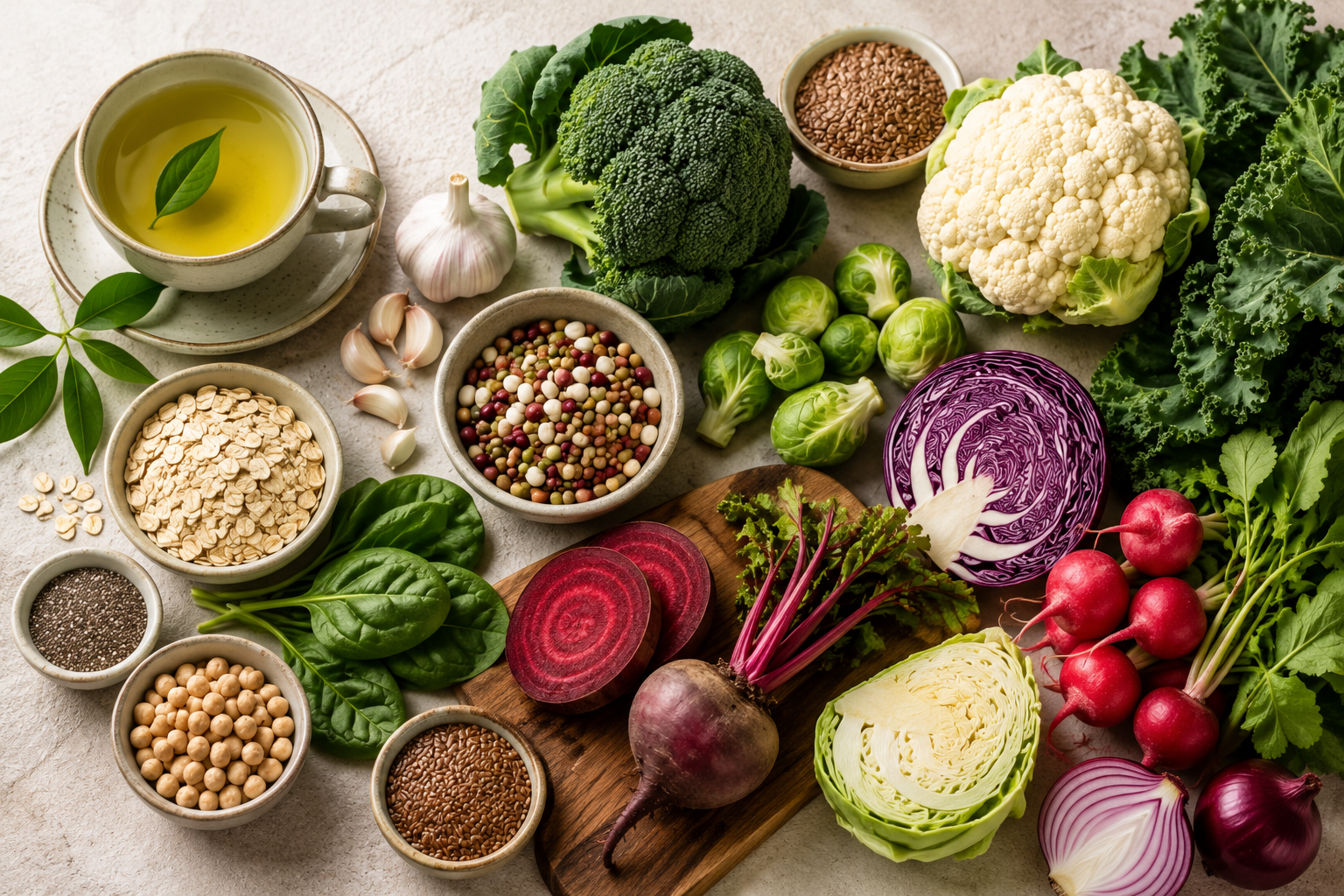
Your body already knows how to detox—you just need to support it. Learn what happens to toxins during weight loss, why fiber and cruciferous vegetables matter, and discover our Compass Dietitian Picks to help make healthy choices easier.
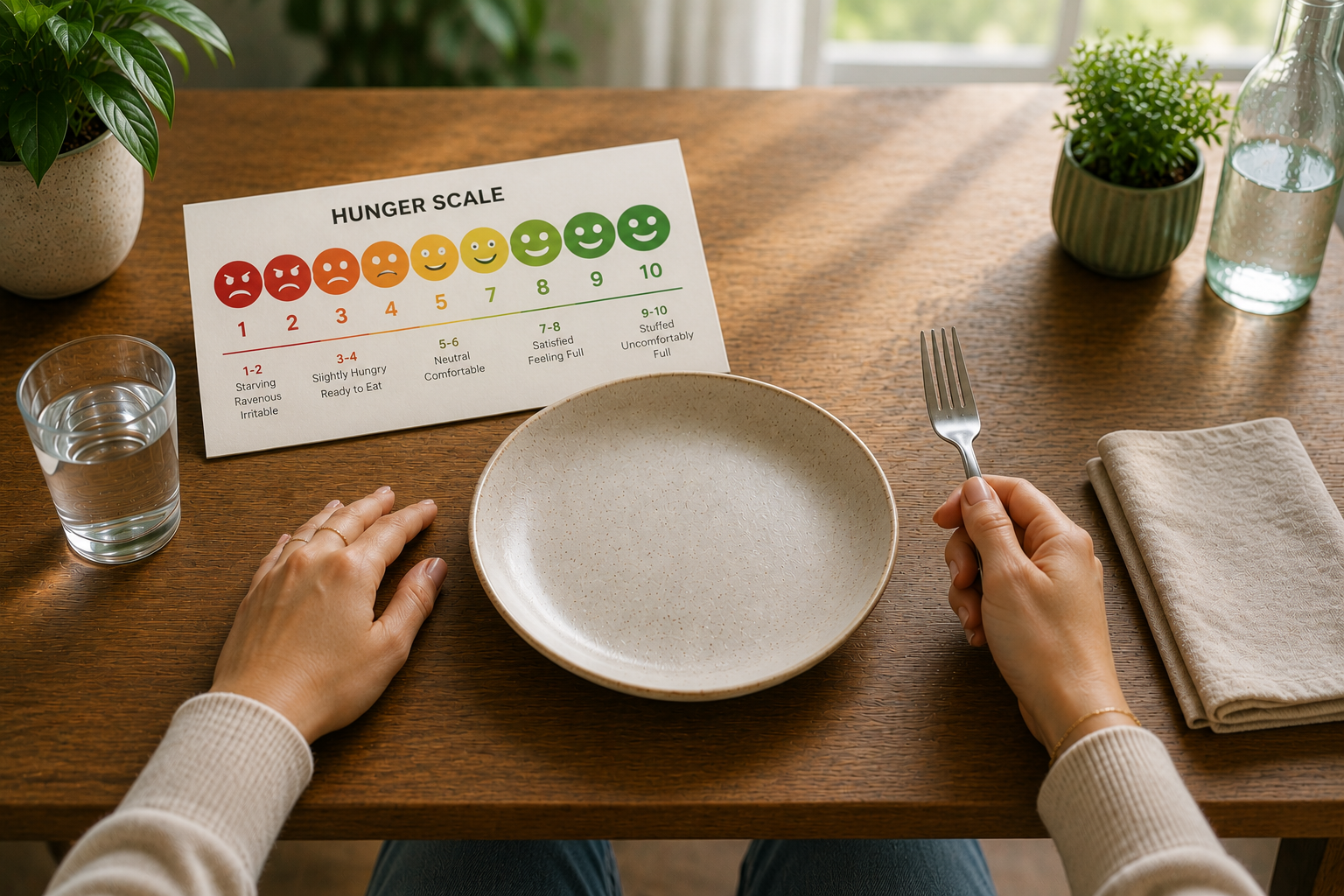
The Hunger Scale is a simple tool that helps you recognize physical hunger and fullness cues. Learn how eating between a 3 and 6 on the scale can improve portion control, digestion, weight management, and your relationship with food.
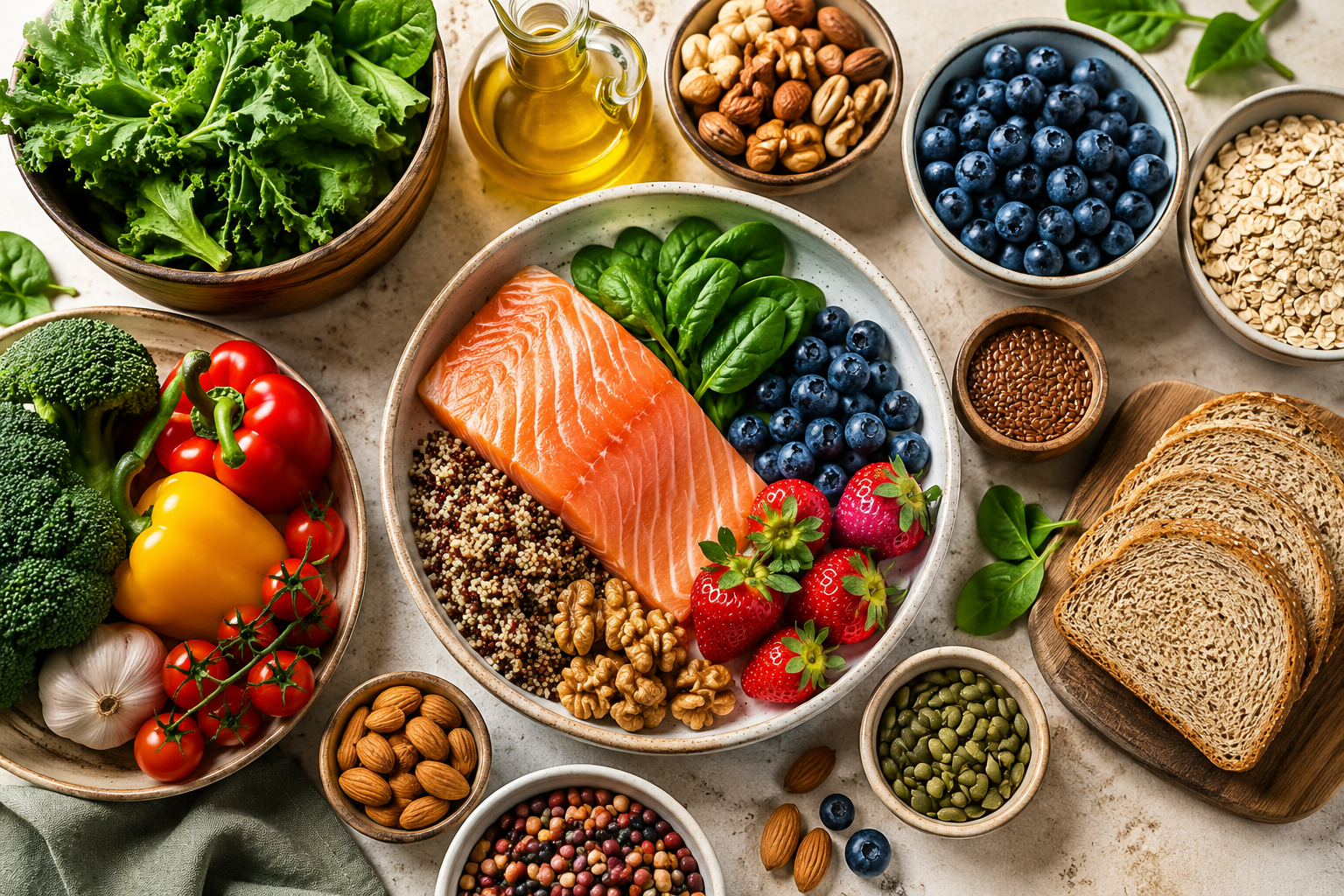
High triglycerides can increase your risk of heart disease, but nutrition can make a powerful difference. Learn the best foods to eat, what to avoid, and simple lifestyle changes that may help lower triglycerides naturally.
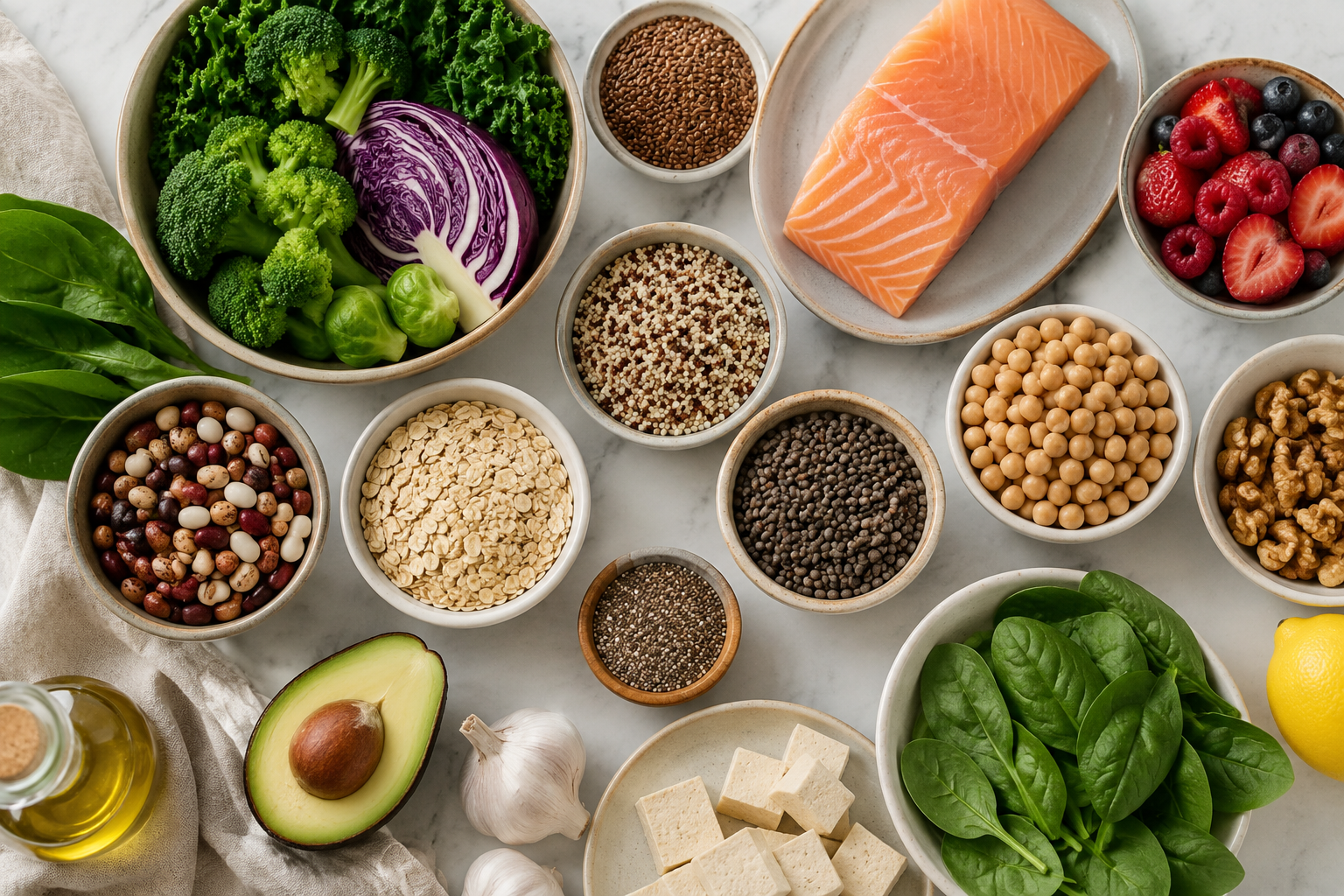
The MIND Diet combines the Mediterranean and DASH diets to support long-term brain health. Learn the five key pillars, foods to focus on, and simple ways to start protecting your cognitive health today.
Fibroids can cause symptoms like bloating, heavy periods, fatigue, and pelvic discomfort. While nutrition will not eliminate fibroids, certain foods may help support hormone balance, reduce inflammation, and improve overall well-being. Learn which foods to prioritize and how personalized nutrition support may help you feel more in control of your symptoms.
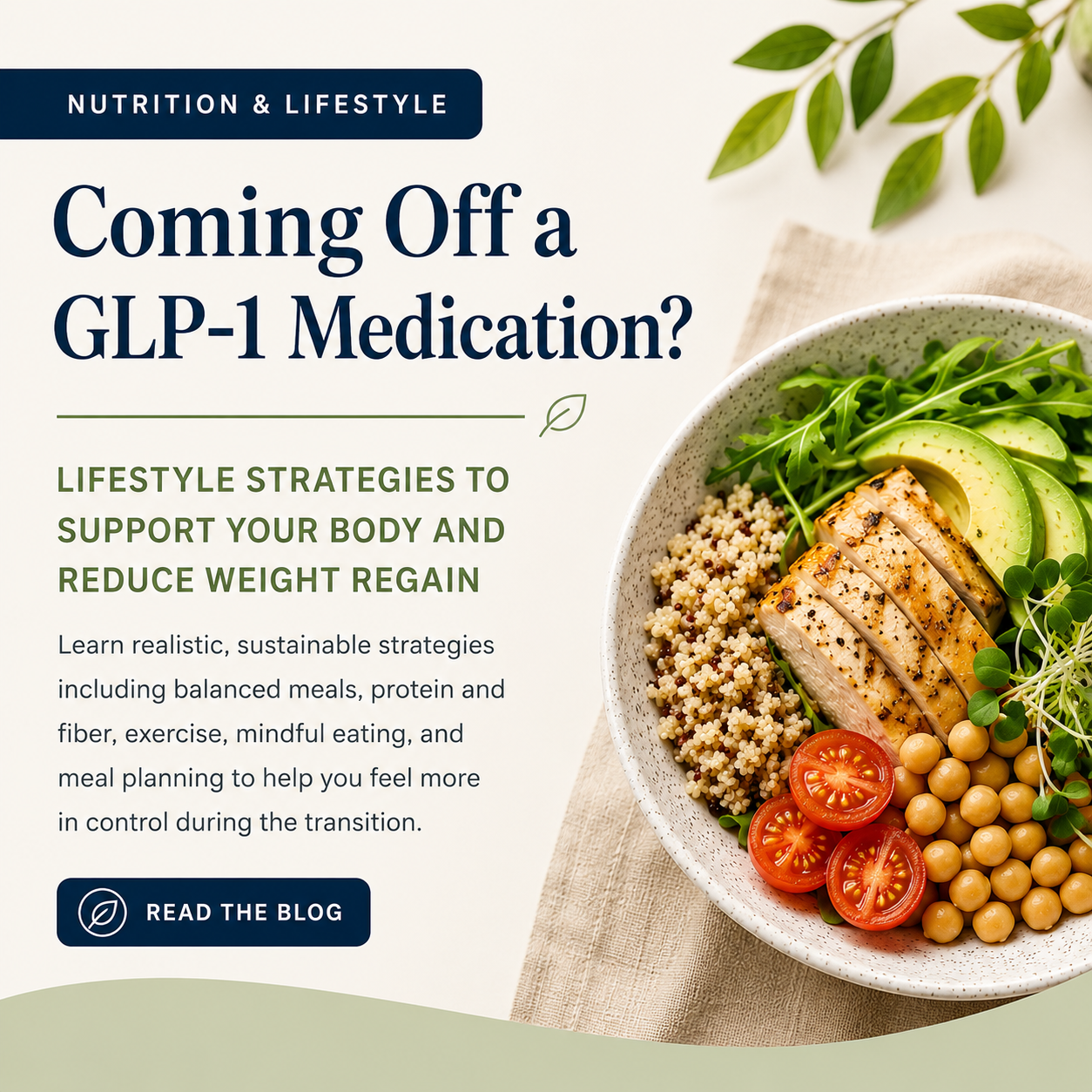
If you’re coming off a GLP-1 medication like Ozempic®, Wegovy®, Mounjaro®, or Zepbound®, it’s normal to worry about increased hunger, weight regain, and losing progress. The good news? You don’t need perfection to support your body after stopping medication. Learn realistic, sustainable lifestyle strategies — including balanced meals, protein and fiber, exercise, mindful eating, and meal planning — that can help you feel more in control during the transition.
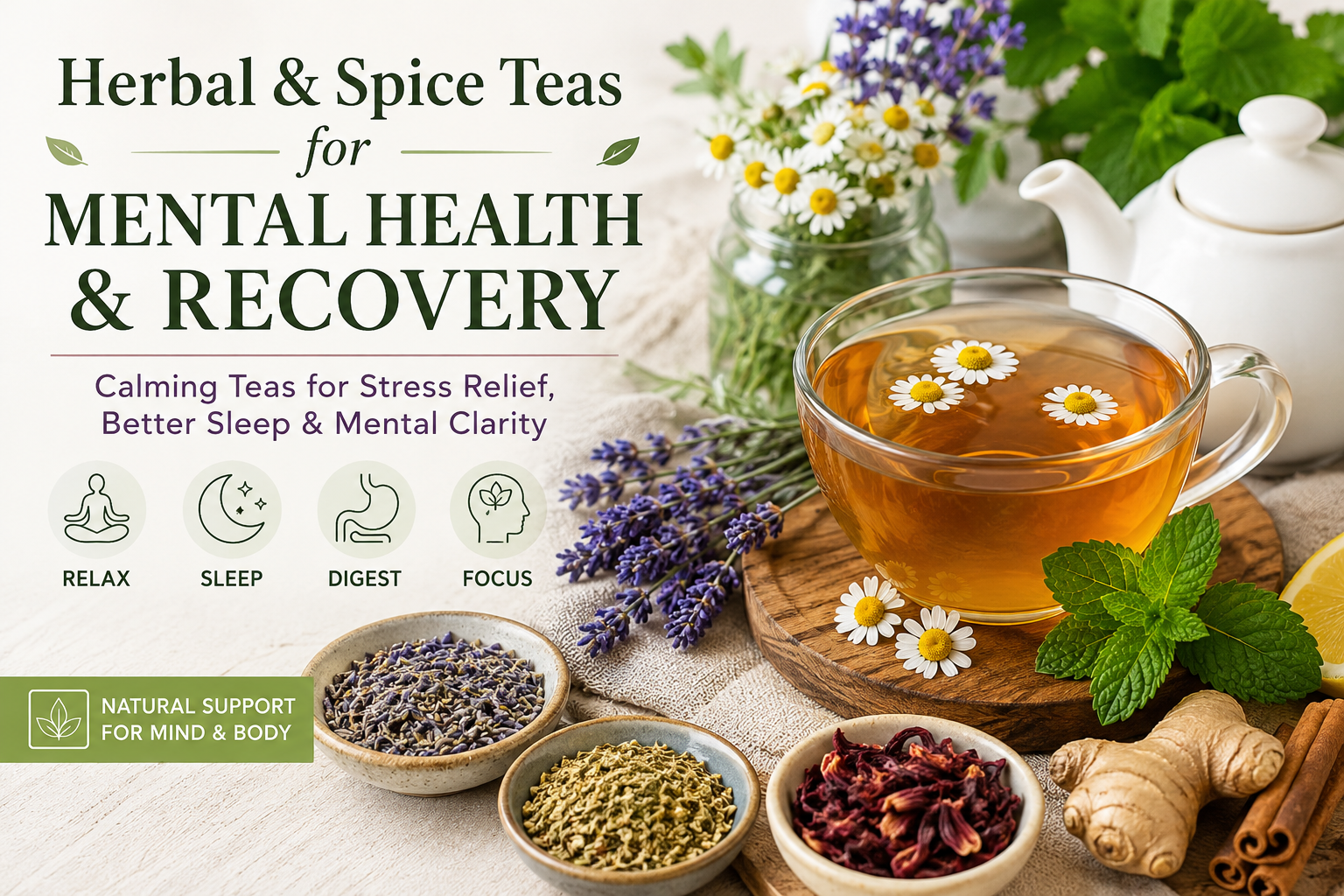
Discover the best herbal teas for stress relief, sleep, anxiety support, and mental clarity. Learn how teas like chamomile, lavender, lemon balm, rosemary, and green tea may help support relaxation, focus, digestion, and emotional wellness — plus easy calming tea blends to try at home.
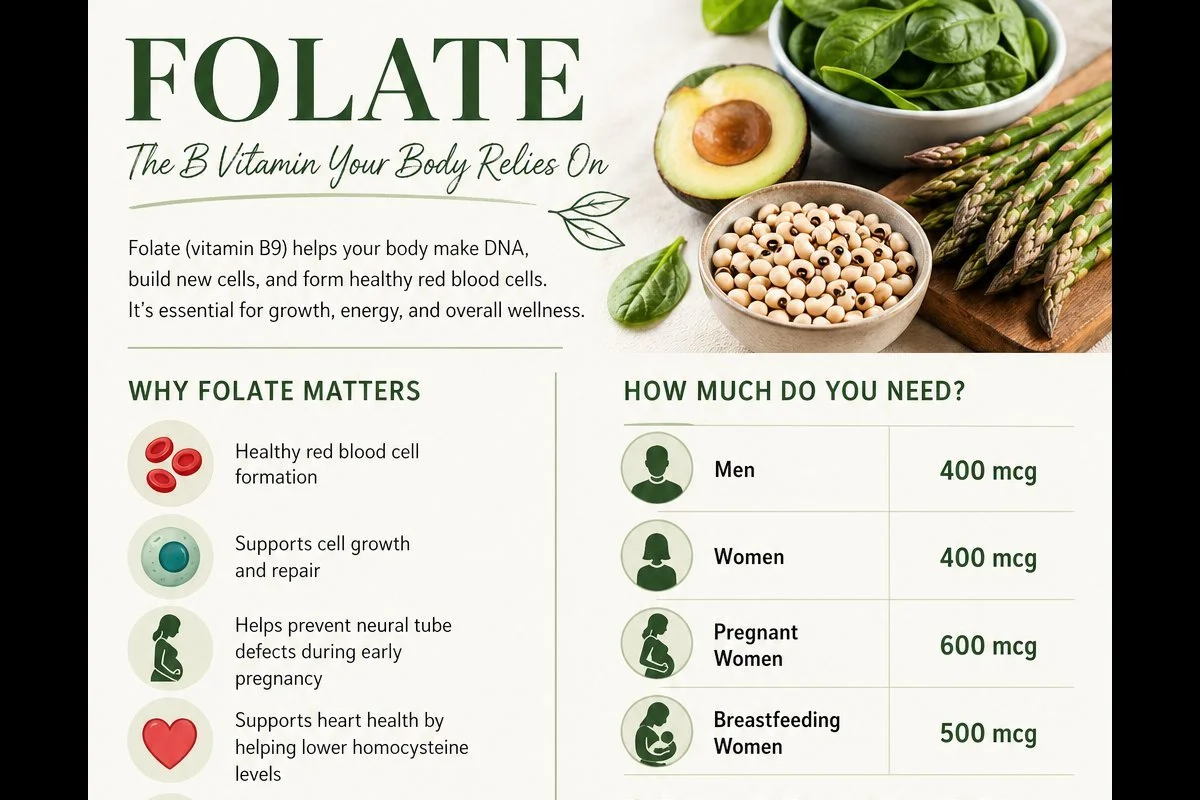
Folate (vitamin B9) helps your body make new cells, support energy levels, and maintain healthy red blood cells. It plays a key role in pregnancy, heart health, and brain function—yet many diets fall short. Here’s what you need to know and how to easily get enough.