
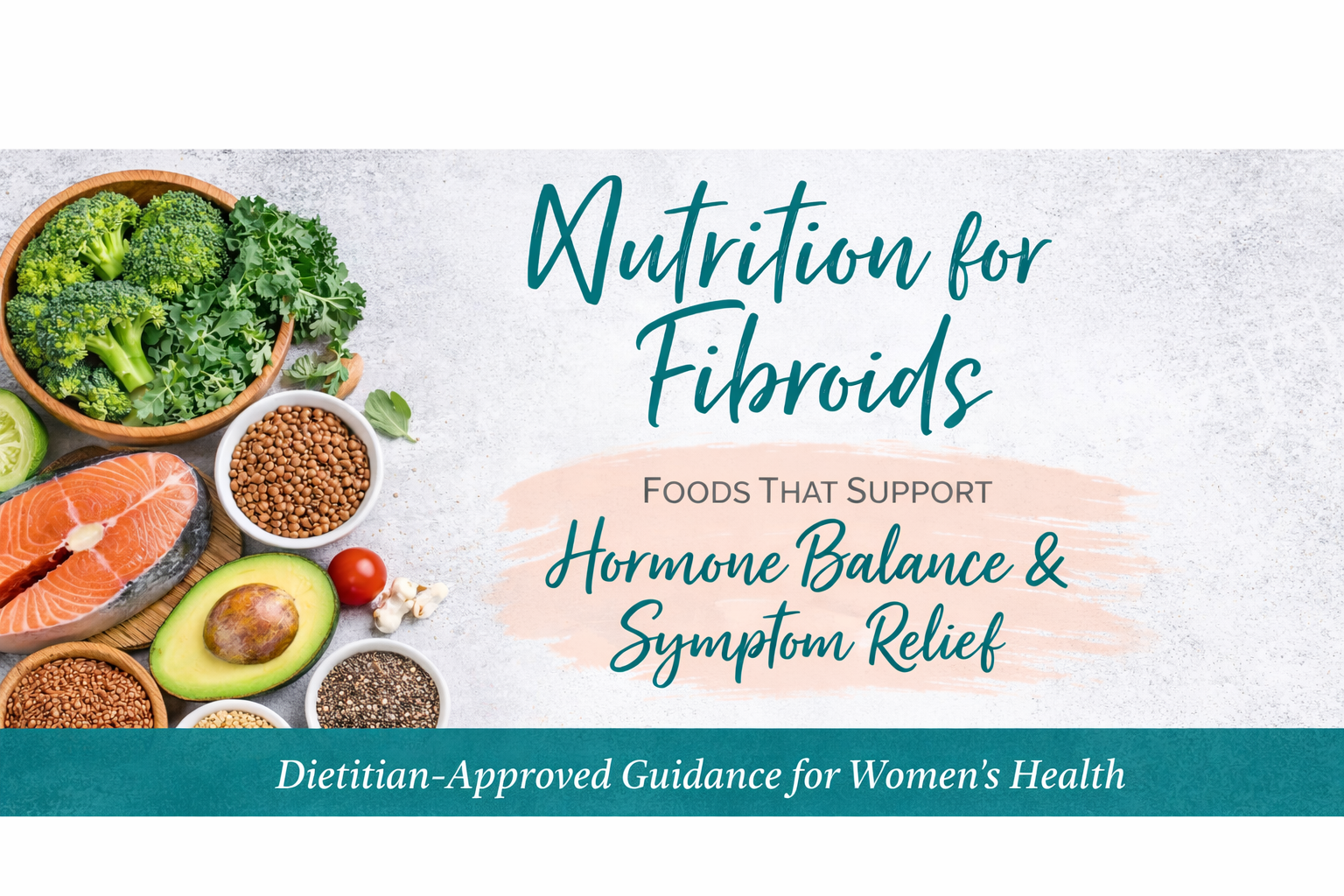
If you’ve been diagnosed with uterine fibroids, you’re not alone — they’re incredibly common, especially during the reproductive years. While fibroids are non-cancerous growths that develop in or around the uterus, they can still have a real impact on daily life.
For some women, fibroids cause heavy or painful periods, bloating, pelvic pressure, or fatigue. For others, they’re completely asymptomatic and discovered incidentally. Either way, many women ask the same question once they hear the diagnosis:
Is there anything I can do with nutrition to help?
The short answer: nutrition won’t make fibroids disappear, but what you eat can support hormone balance, reduce inflammation, and help manage symptoms as part of a comprehensive care plan.
How Nutrition Fits Into Fibroid Management
Fibroids are influenced by hormones — particularly estrogen — as well as inflammation and overall metabolic health. While diet is not a replacement for medical treatment, certain eating patterns may support healthier estrogen metabolism and symptom control.
Think of nutrition as one piece of the puzzle: supportive, not curative.
Foods to Include More Often
1. Fruits & Vegetables (Especially Cruciferous Veggies)
Aim for a wide variety of colorful fruits and vegetables each day. These foods provide fiber and plant compounds that support overall hormone health.
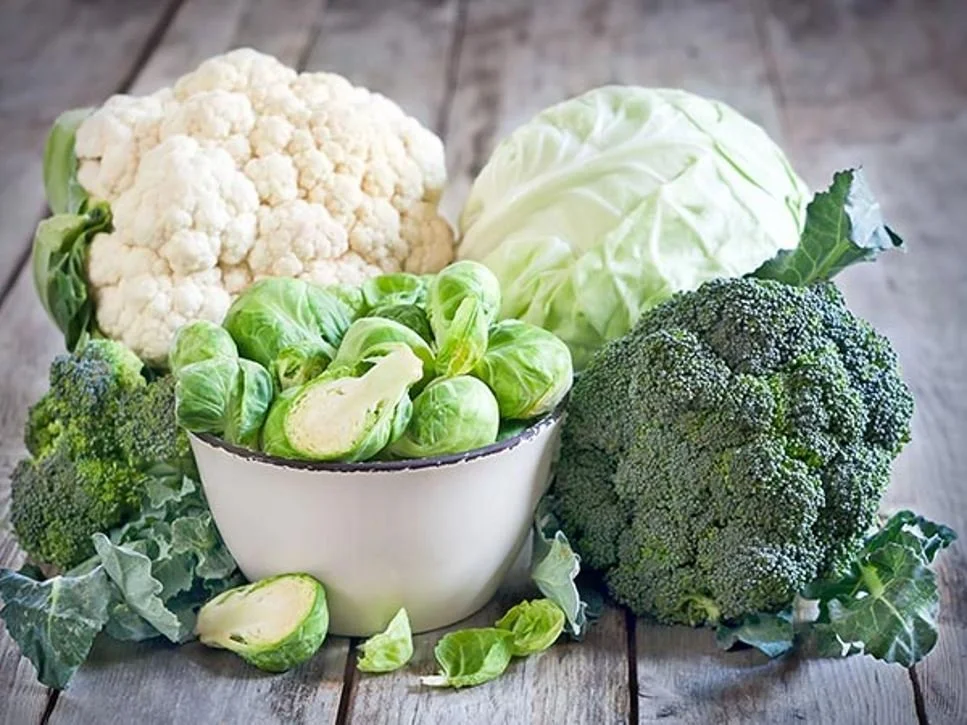
Cruciferous vegetables — such as broccoli, cabbage, kale, and Brussels sprouts — are especially noteworthy. They contain compounds that help the body metabolize estrogen more efficiently, which may be helpful for women managing hormone-sensitive conditions like fibroids.
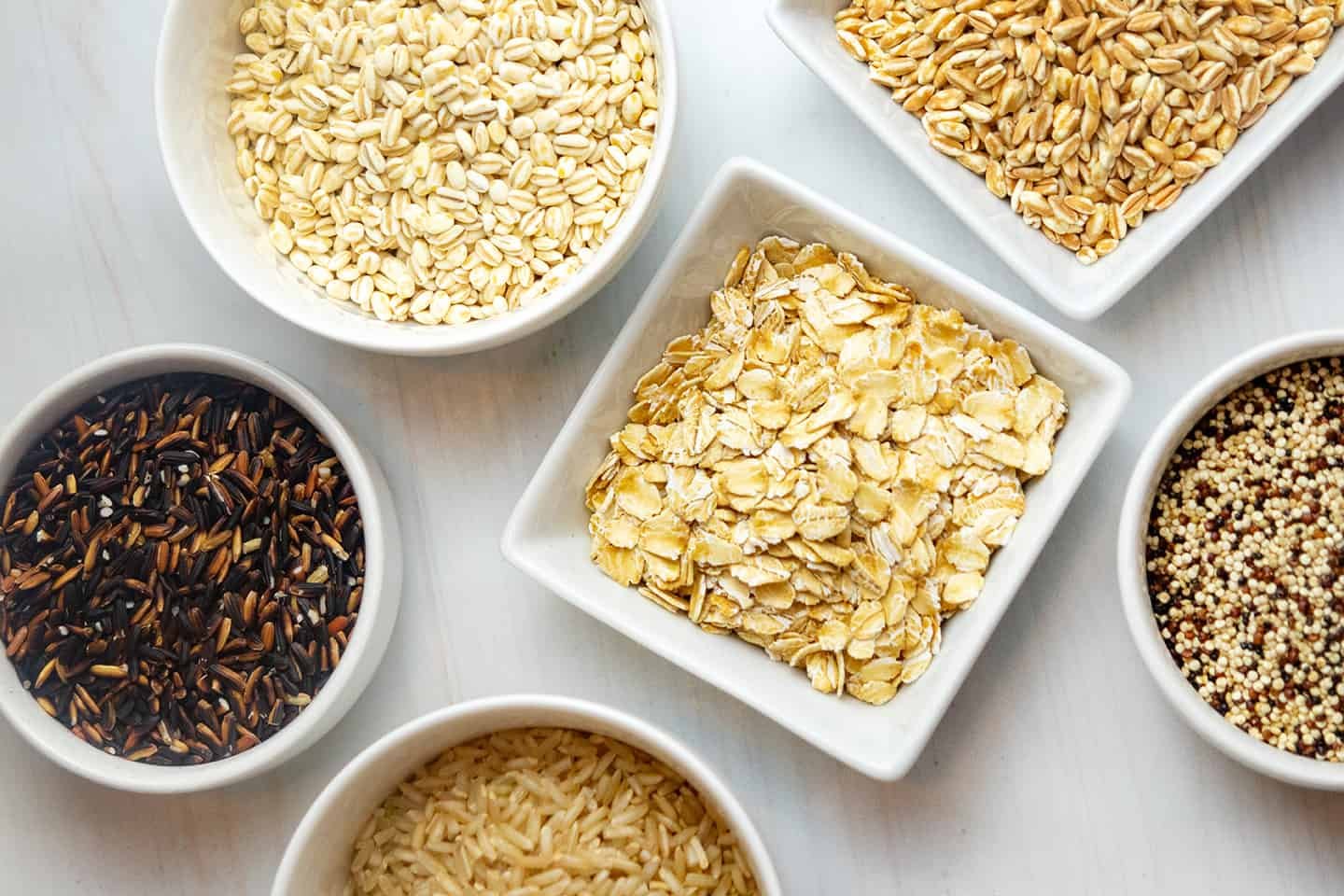
2. Whole Grains
Swap refined grains for whole grains like:
Brown rice
Oats
Quinoa
Whole-grain bread or pasta
Fiber plays a key role here. Adequate fiber intake supports digestion and may help regulate circulating estrogen levels by improving how hormones are processed and eliminated.
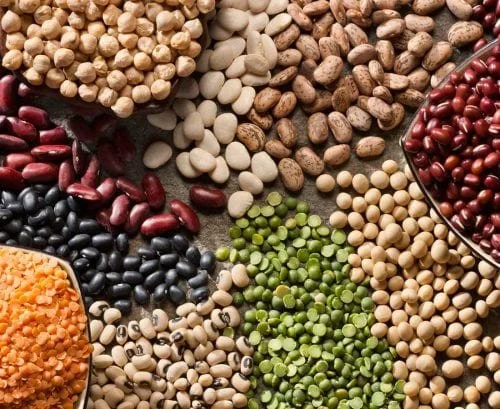
3. Legumes: Beans, Lentils & Peas
Legumes are a powerhouse for fibroid-supportive nutrition. They provide:
Plant-based protein
Fiber
Anti-inflammatory nutrients
Including beans, lentils, or peas regularly may help support estrogen metabolism while also keeping blood sugar more stable — another important factor for hormonal balance.
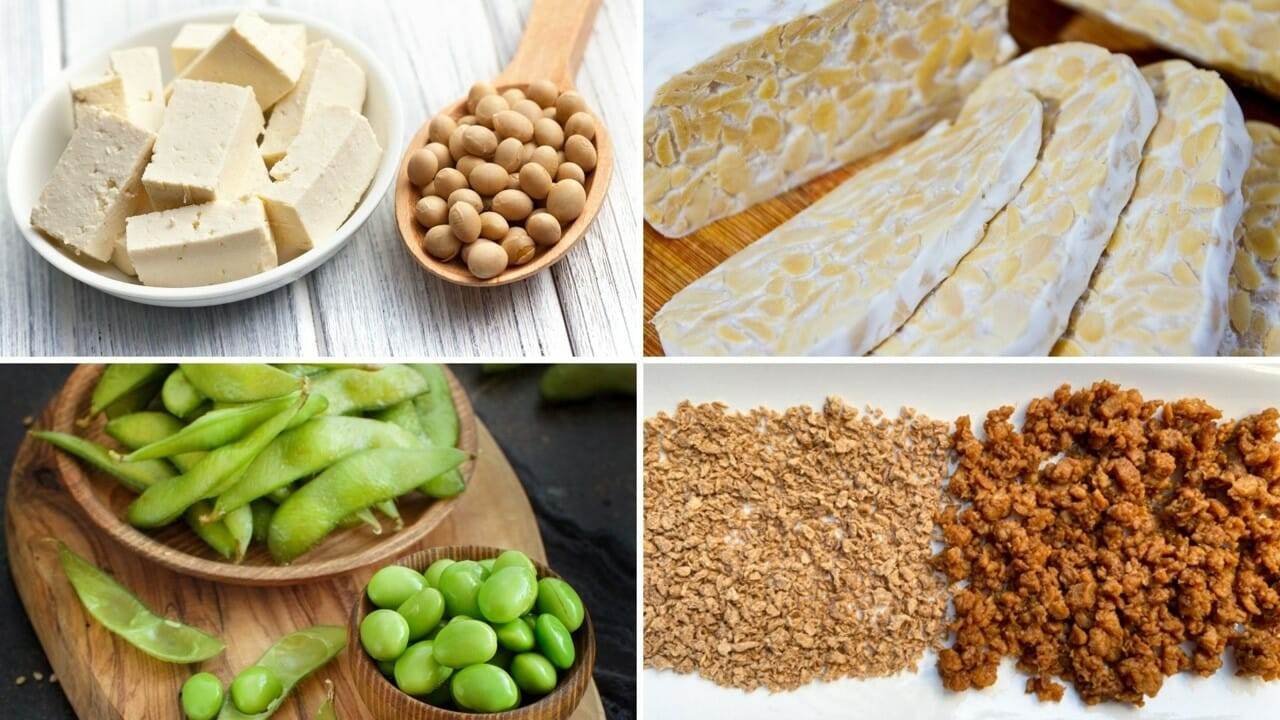
4. Plant-Based Proteins (Including Soy)
Soy often gets a bad reputation, but moderate soy intake (like tofu or tempeh) can be part of a balanced diet for many women with fibroids.
Soy contains phytoestrogens, which behave differently from estrogen in the body and may actually help support hormone balance when consumed in reasonable amounts. As with most things in nutrition, context and moderation matter.
5. Healthy Fats & Omega-3s
Inflammation can contribute to symptom severity, which makes healthy fats an important part of the picture.
Focus on sources like:
Flaxseeds
Chia seeds
Walnuts
Fatty fish such as salmon
These foods provide omega-3 fatty acids, which may help support reduced inflammation and overall reproductive health.
A Final Note on Expectations
It’s important to be realistic and compassionate with yourself. Diet alone will not shrink or eliminate fibroids, but nutrition can absolutely support your body alongside medical care, monitoring, or treatment plans recommended by your healthcare provider.
If you’re dealing with symptoms like heavy bleeding, fatigue, or digestive discomfort, working with a dietitian can help you:
Build meals that support iron levels and energy
Reduce inflammation through food choices
Create a plan that feels sustainable, not restrictive
The Bottom Line
Nutrition is not about fixing fibroids — it’s about supporting your body. Small, consistent changes can make a meaningful difference in how you feel day-to-day and how well your body handles hormonal shifts over time.
If fibroids are part of your health story, you don’t have to navigate it alone — and you don’t have to overhaul everything at once.
Struggling with fibroid symptoms and unsure what changes actually matter?
Work one-on-one with a Compass Nutrition dietitian to create a personalized plan that supports hormone balance, reduces inflammation, and fits your real life.
Personalized 1:1 nutrition support