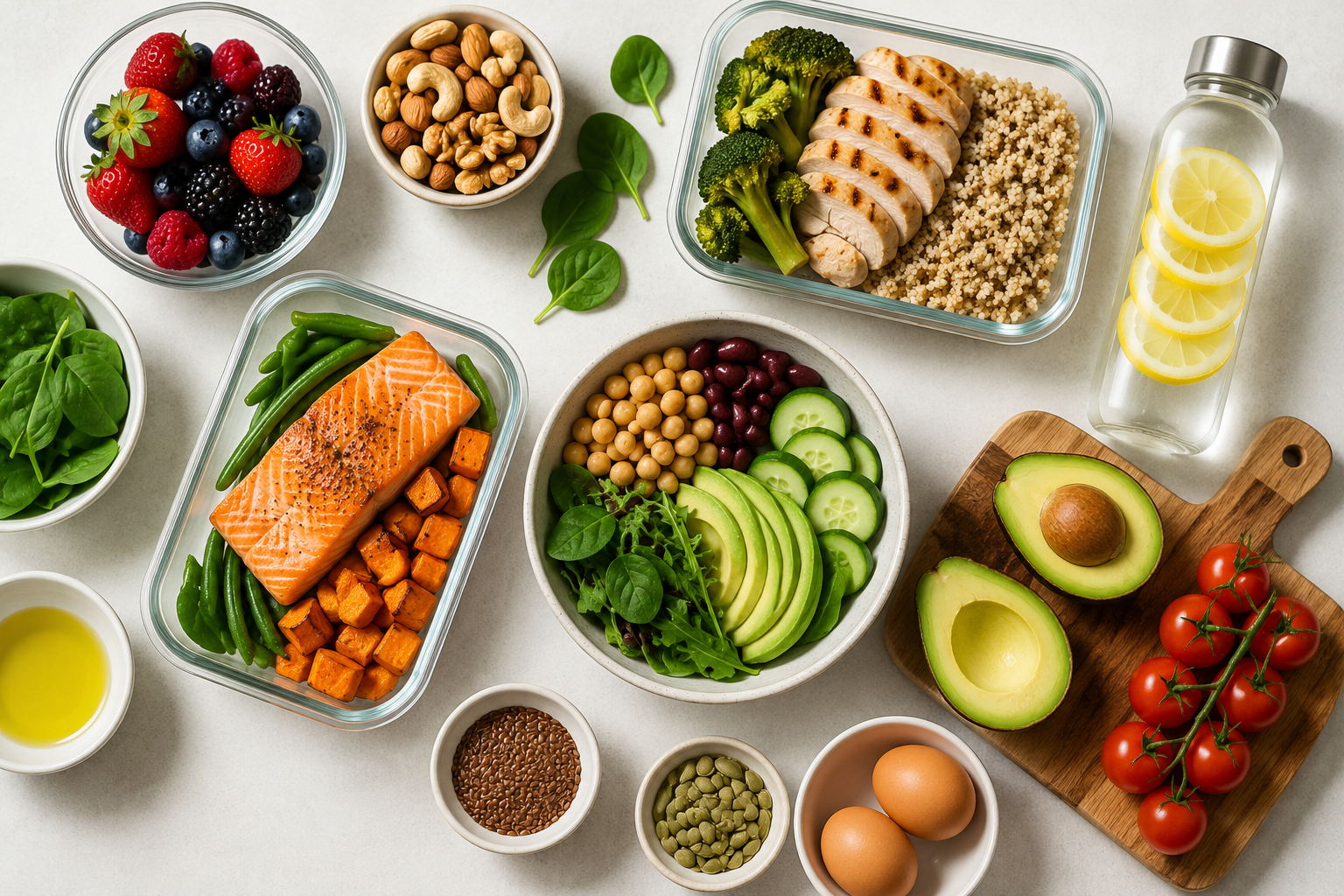

Feeling foggy as you get back into your routine? These simple dietitian-approved strategies can help support focus, steady energy and better nutrition throughout a busy day.

Viewing entries tagged
Adiana Castro RDN
Feeling foggy as you get back into your routine? These simple dietitian-approved strategies can help support focus, steady energy and better nutrition throughout a busy day.
Can nutrition help with ADHD symptoms? Learn which nutrients matter, how ADHD can affect eating habits, and simple strategies for more consistent meals.
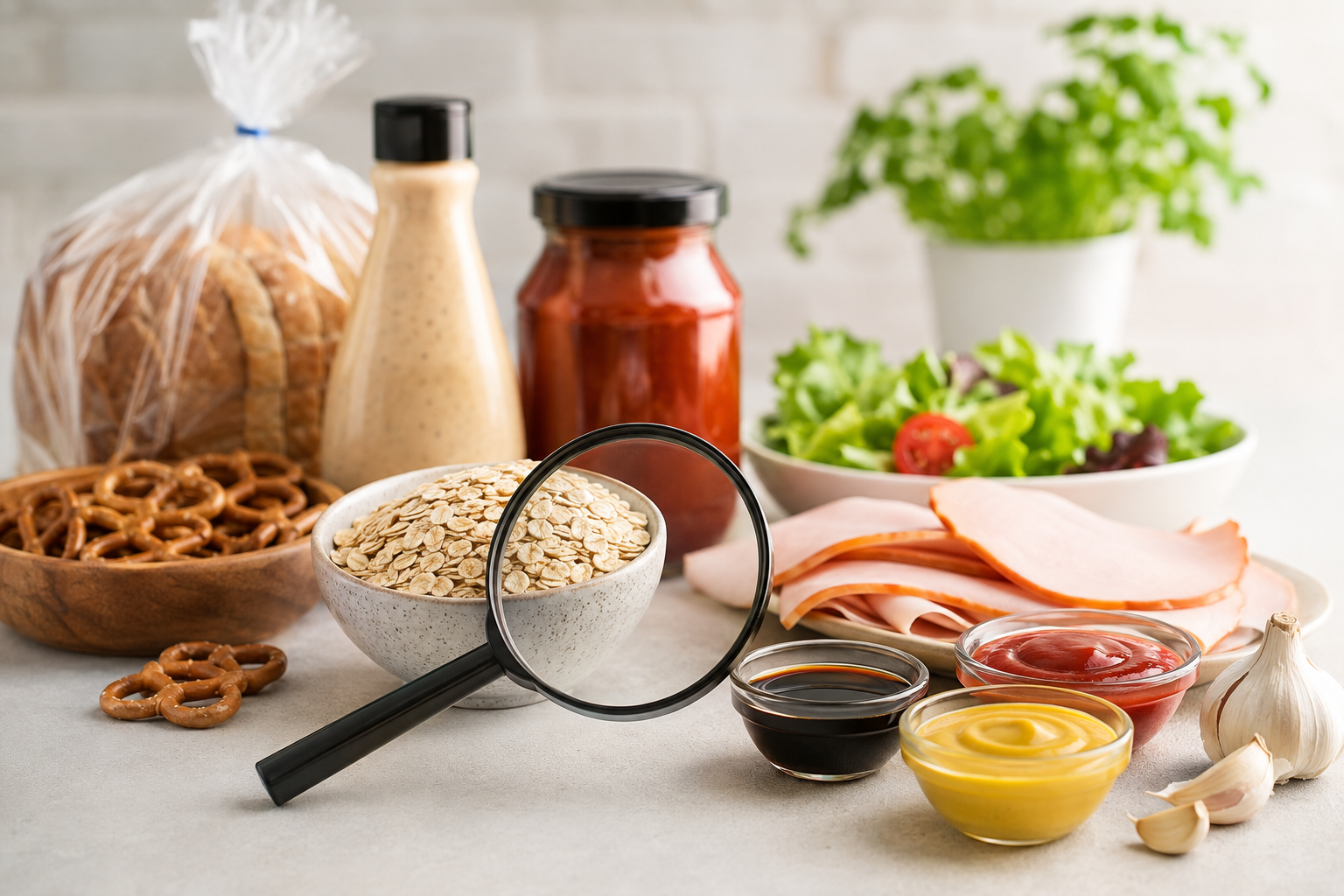
Gluten can hide in more places than bread and pasta. Learn how to spot unexpected sources of gluten in sauces, packaged foods, oats, medications, supplements, and restaurant meals—and get practical tips for navigating a gluten-free diet with confidence.
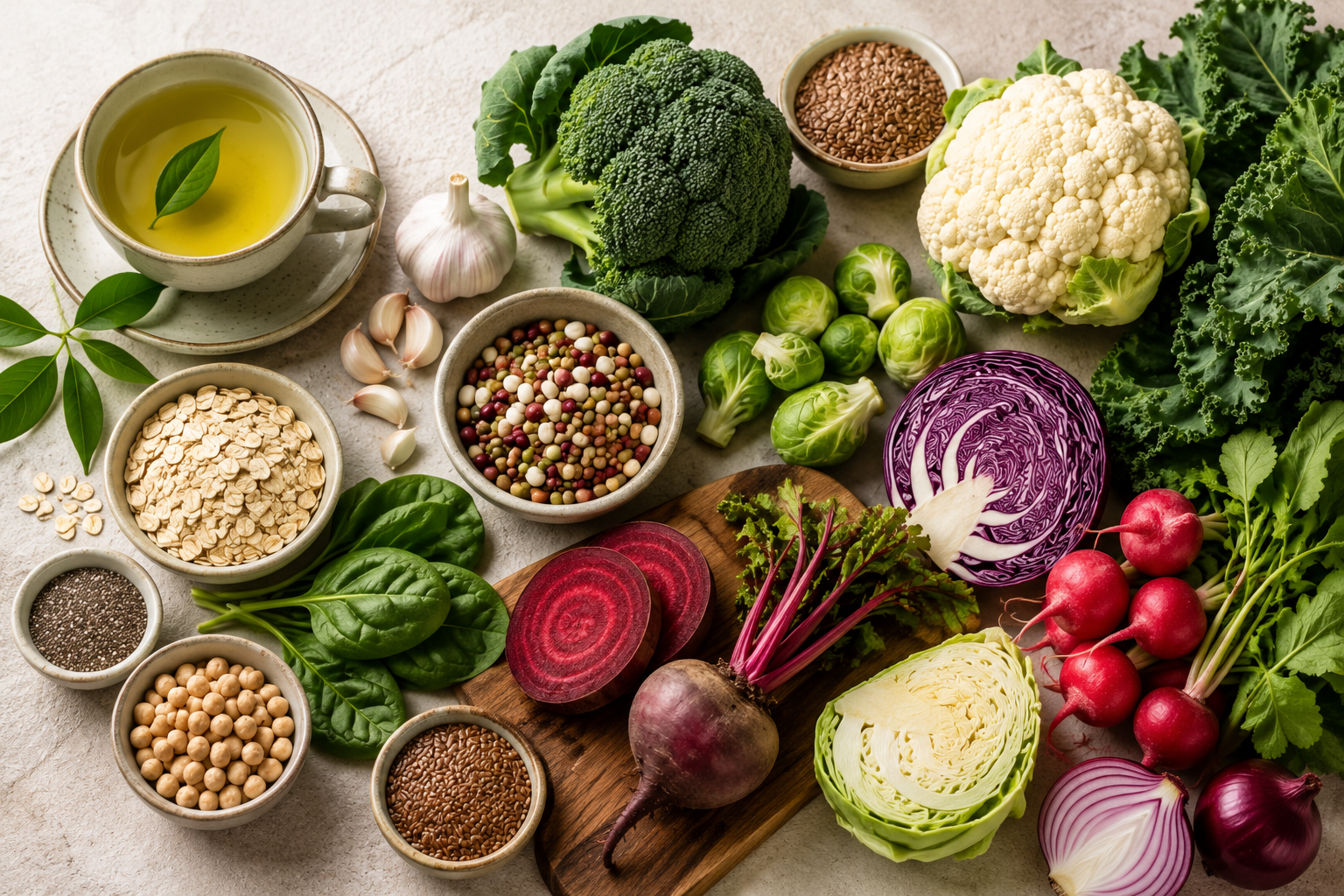
Your body already knows how to detox—you just need to support it. Learn what happens to toxins during weight loss, why fiber and cruciferous vegetables matter, and discover our Compass Dietitian Picks to help make healthy choices easier.
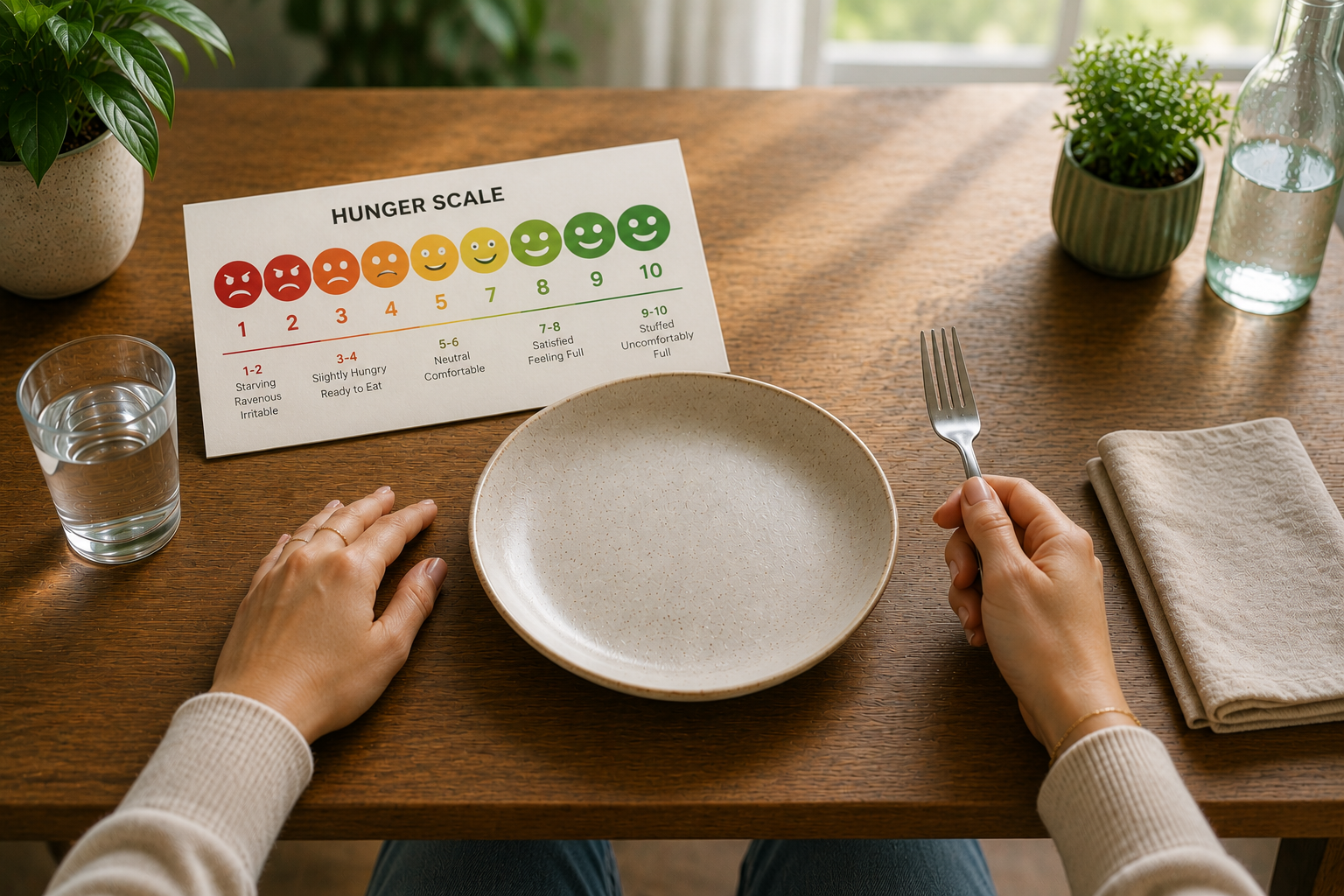
The Hunger Scale is a simple tool that helps you recognize physical hunger and fullness cues. Learn how eating between a 3 and 6 on the scale can improve portion control, digestion, weight management, and your relationship with food.
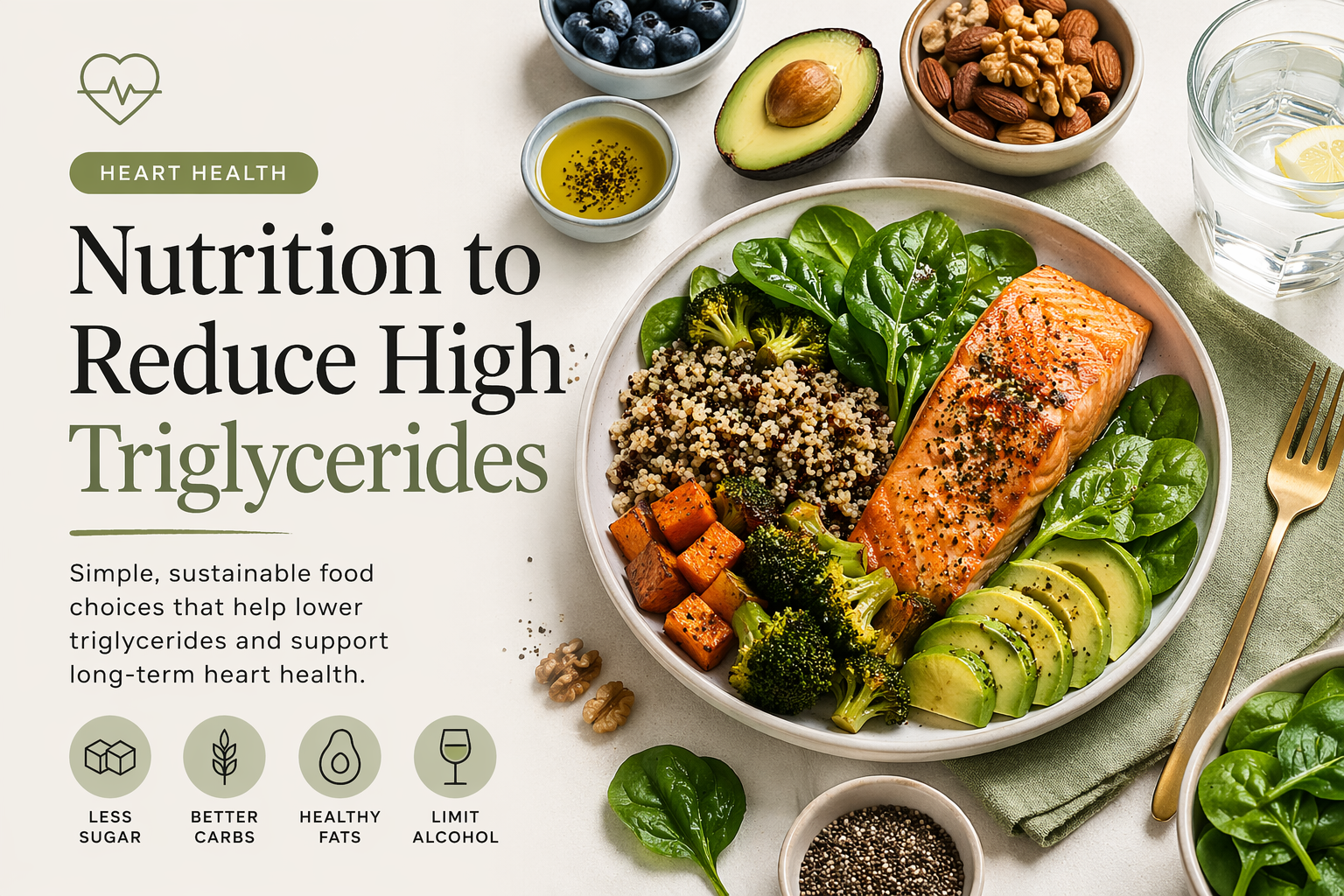
High triglycerides can increase your risk of heart disease, but nutrition can make a powerful difference. Learn the best foods to eat, what to avoid, and simple lifestyle changes that may help lower triglycerides naturally.
The MIND Diet combines the Mediterranean and DASH diets to support long-term brain health. Learn the five key pillars, foods to focus on, and simple ways to start protecting your cognitive health today.
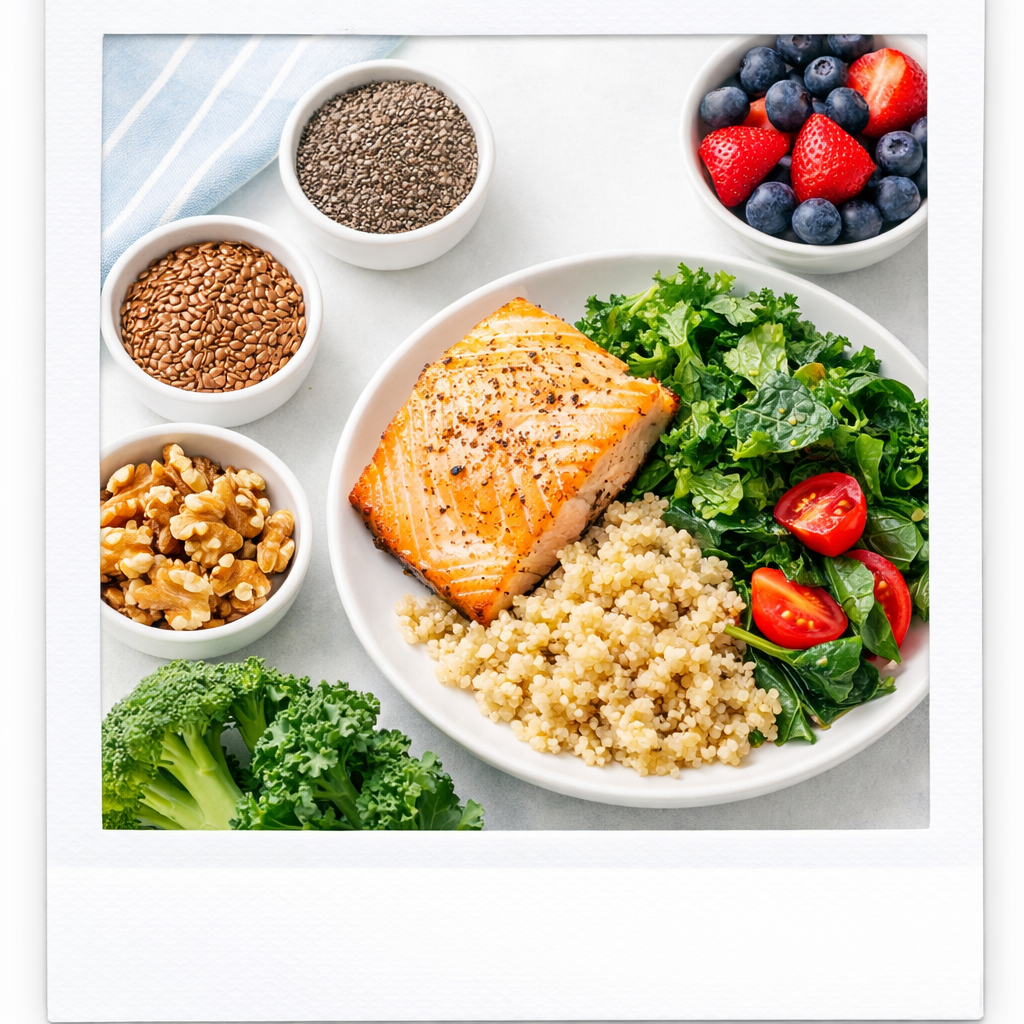
Fibroids can cause symptoms like bloating, heavy periods, fatigue, and pelvic discomfort. While nutrition will not eliminate fibroids, certain foods may help support hormone balance, reduce inflammation, and improve overall well-being. Learn which foods to prioritize and how personalized nutrition support may help you feel more in control of your symptoms.
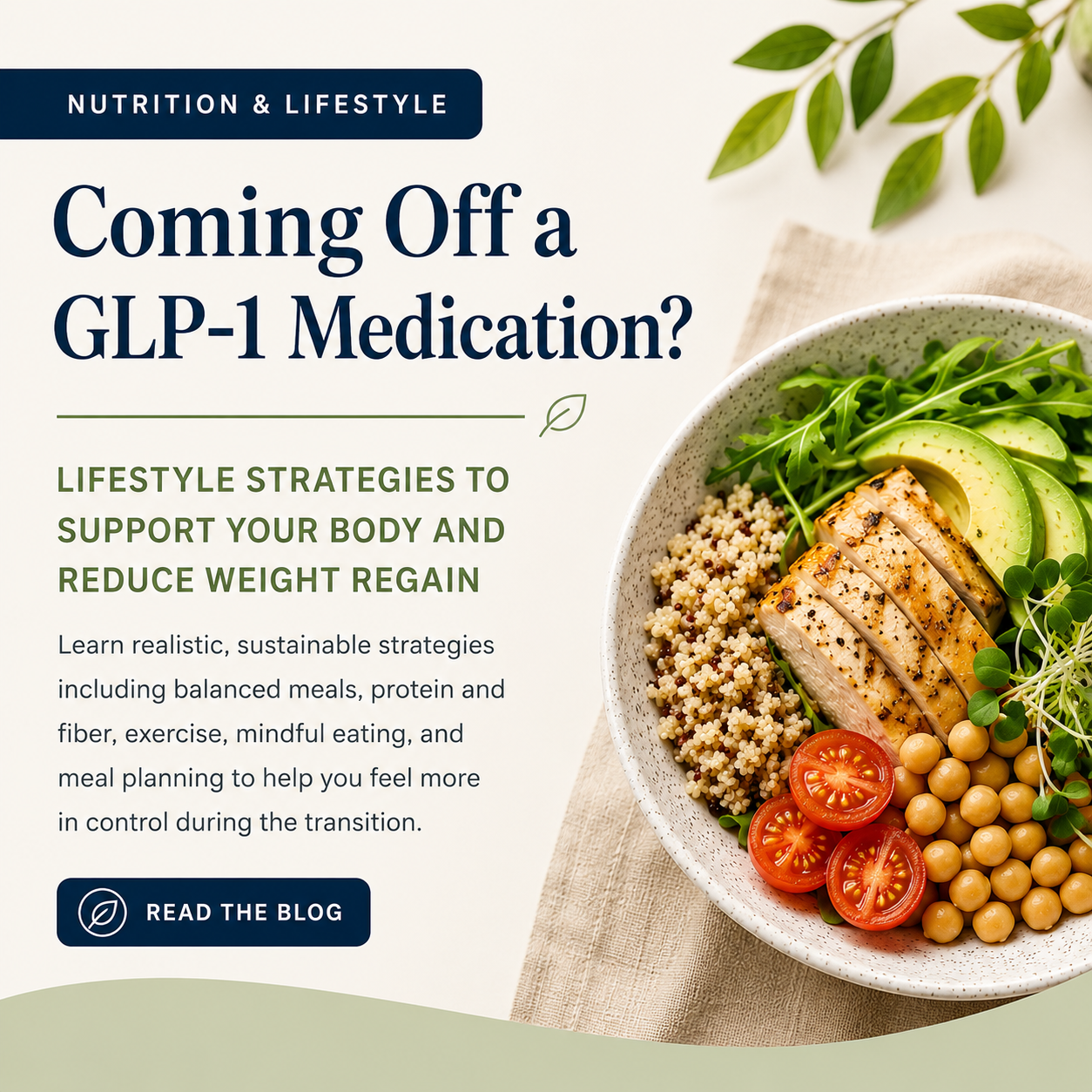
If you’re coming off a GLP-1 medication like Ozempic®, Wegovy®, Mounjaro®, or Zepbound®, it’s normal to worry about increased hunger, weight regain, and losing progress. The good news? You don’t need perfection to support your body after stopping medication. Learn realistic, sustainable lifestyle strategies — including balanced meals, protein and fiber, exercise, mindful eating, and meal planning — that can help you feel more in control during the transition.
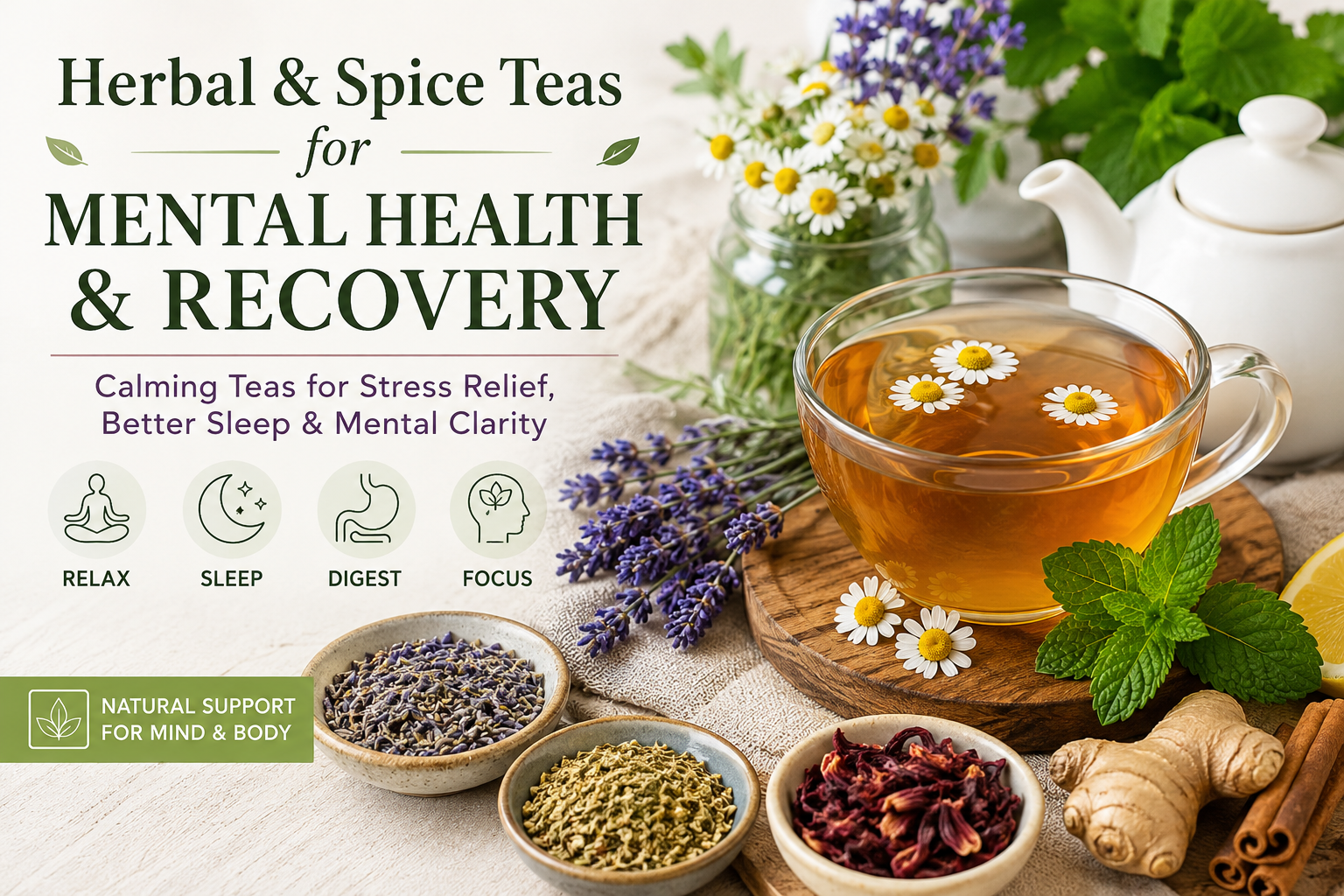
Discover the best herbal teas for stress relief, sleep, anxiety support, and mental clarity. Learn how teas like chamomile, lavender, lemon balm, rosemary, and green tea may help support relaxation, focus, digestion, and emotional wellness — plus easy calming tea blends to try at home.
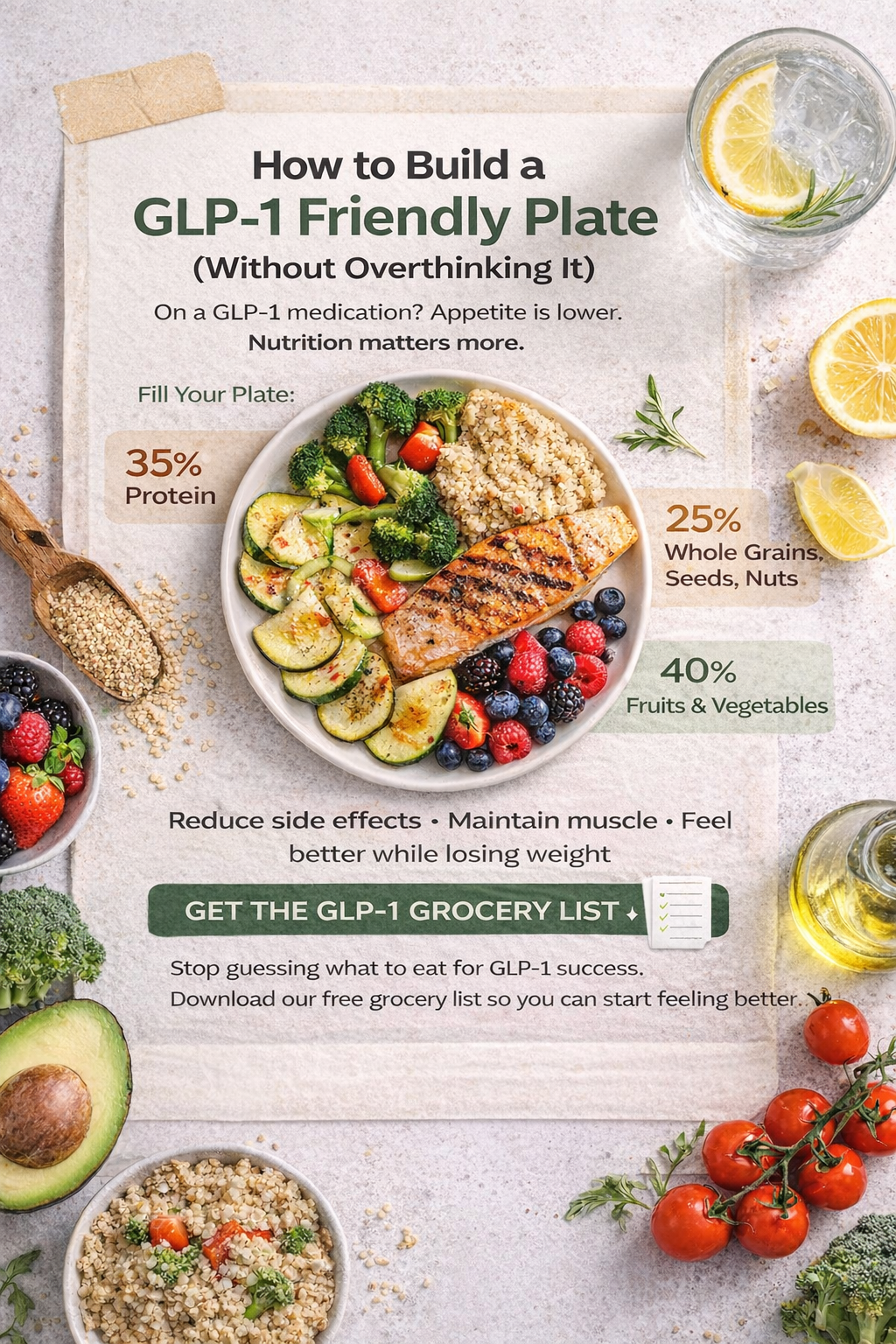
If you’re on a GLP-1 medication and not feeling your best, it may not be the medication—it’s how you’re eating. This simple plate method helps you reduce side effects, maintain muscle, and feel better without overthinking every meal.
High triglycerides don’t require a complete diet overhaul. These simple nutrition changes can help lower your levels and support heart health—starting today.
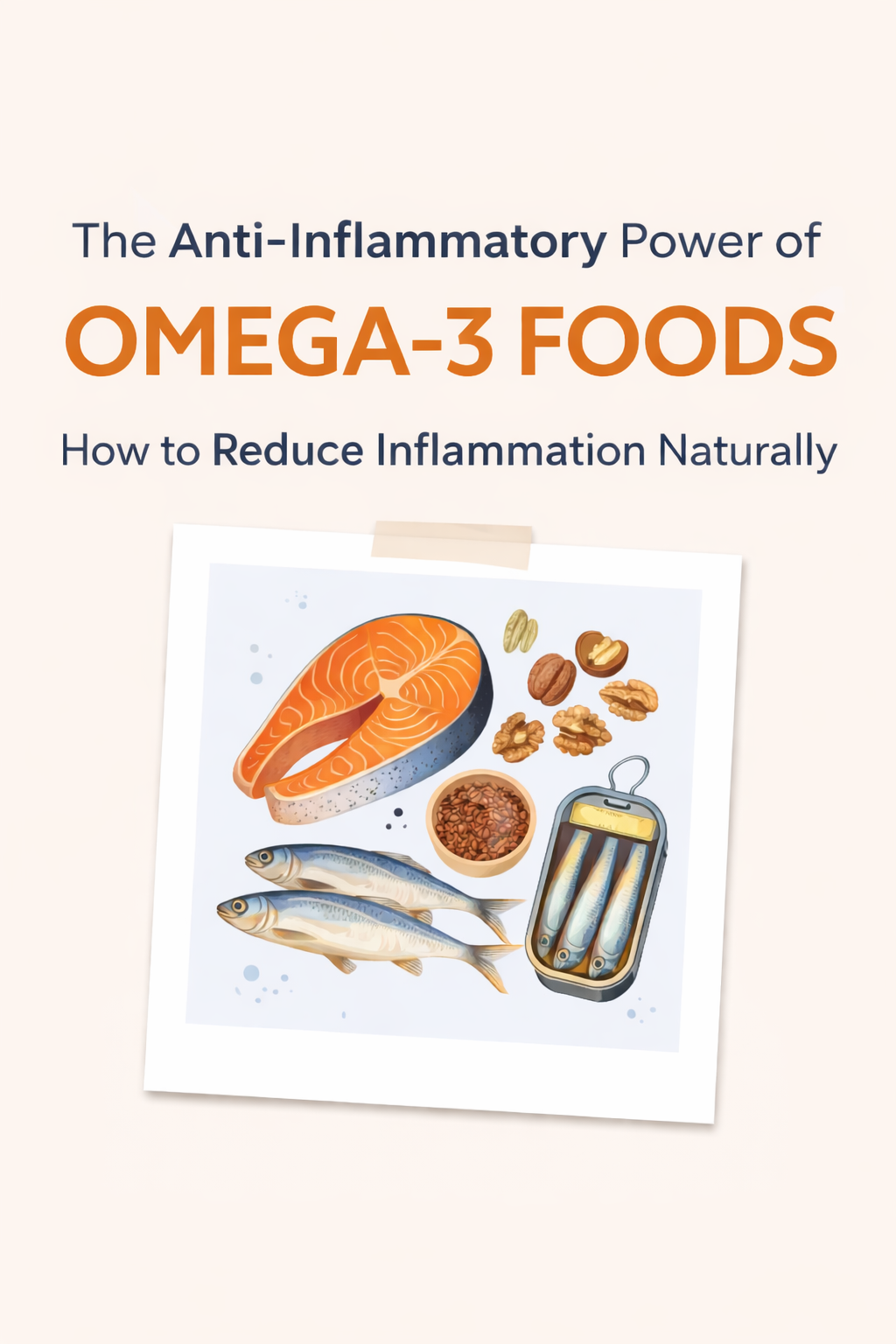
Omega-3s can help reduce inflammation—but only if you’re using them the right way. Here’s how to get real results.
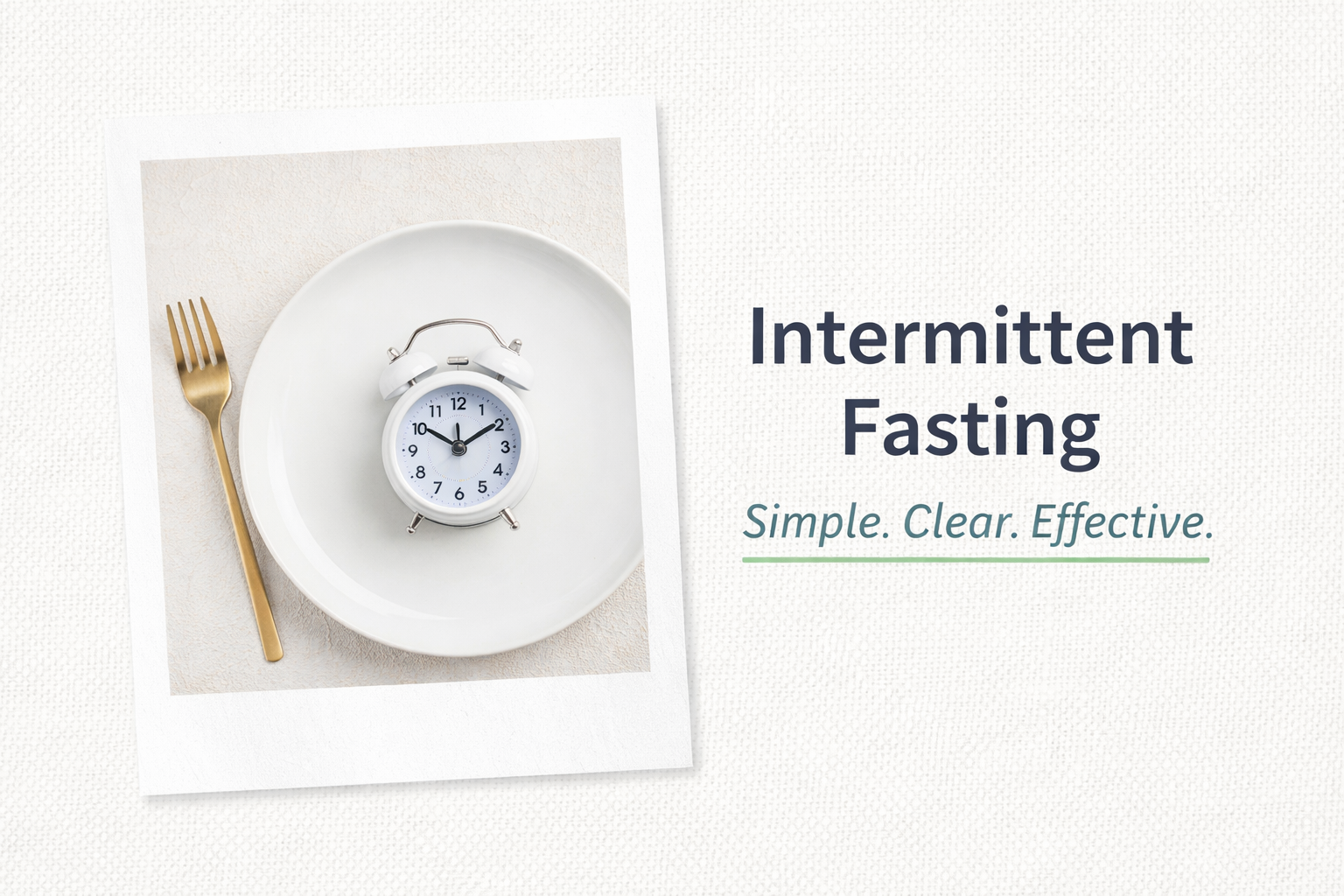
Intermittent fasting isn’t just about skipping meals—it’s about how your body shifts fuel. Learn how it works, the real benefits, and whether it’s right for you.
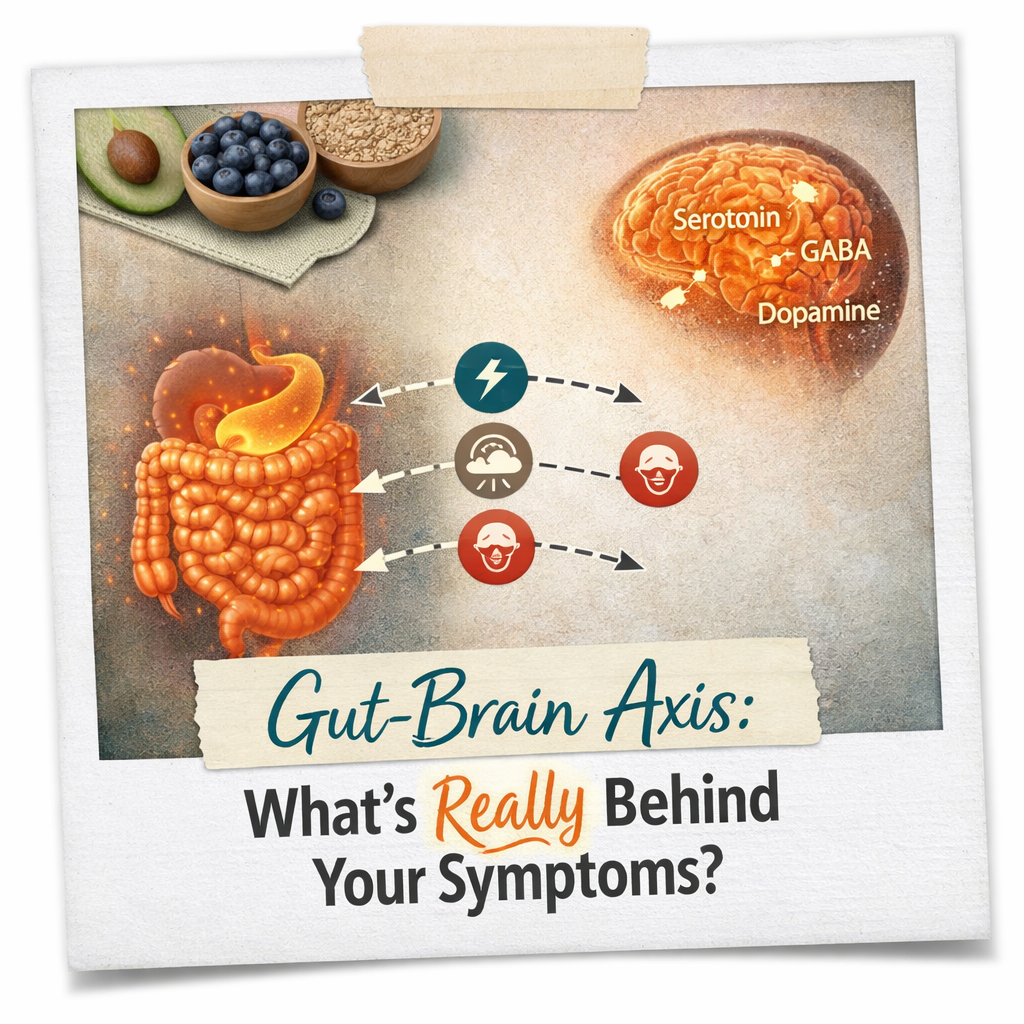
Struggling with bloating, brain fog, or anxiety without a clear cause? Your gut and brain are closely connected—and what’s triggering your gut may be driving your symptoms. Learn how the gut-brain axis works and how to start feeling better with targeted nutrition.
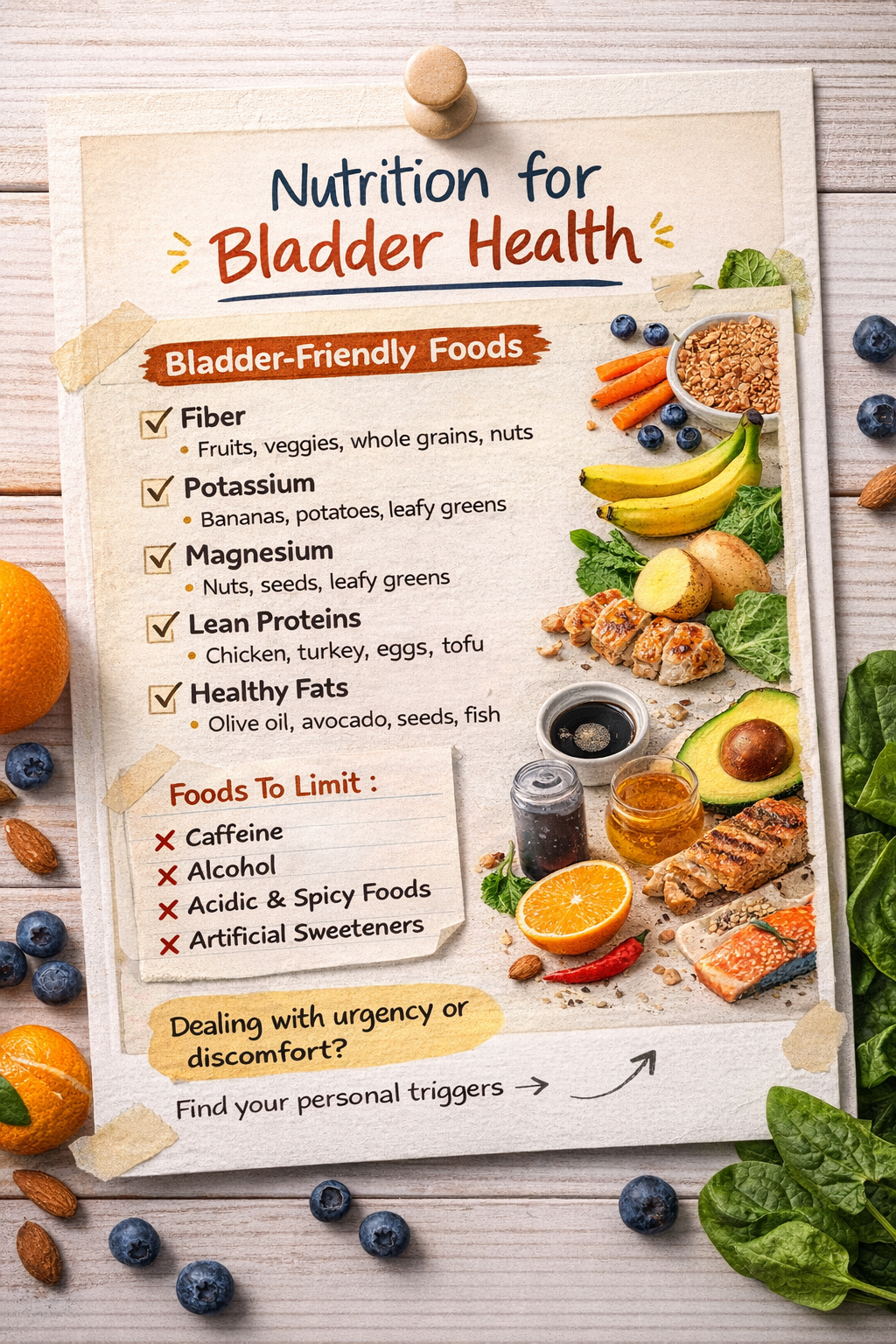
Struggling with urgency, frequent urination, or bladder discomfort? Learn how simple nutrition and hydration strategies—plus key foods to include and avoid—can help calm irritation and support better bladder control.
Dealing with fibroids, bloating, or heavy periods? This simple nutrition approach focuses on the foods that support hormone balance and reduce inflammation—without restrictive dieting.
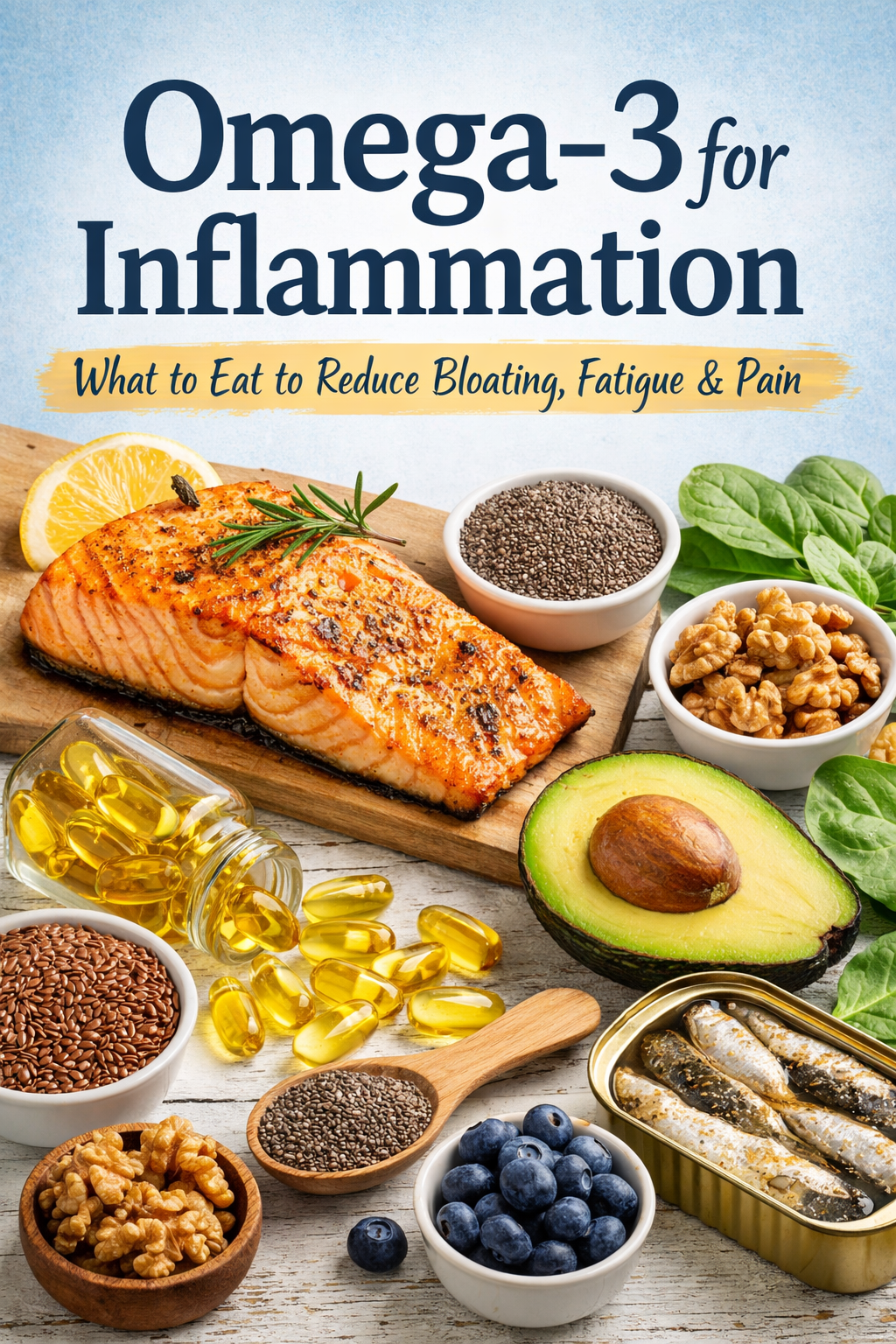
Struggling with bloating, fatigue, or inflammation? Learn how omega-3 foods help calm inflammation and what to eat to start feeling better—without overcomplicating your diet.
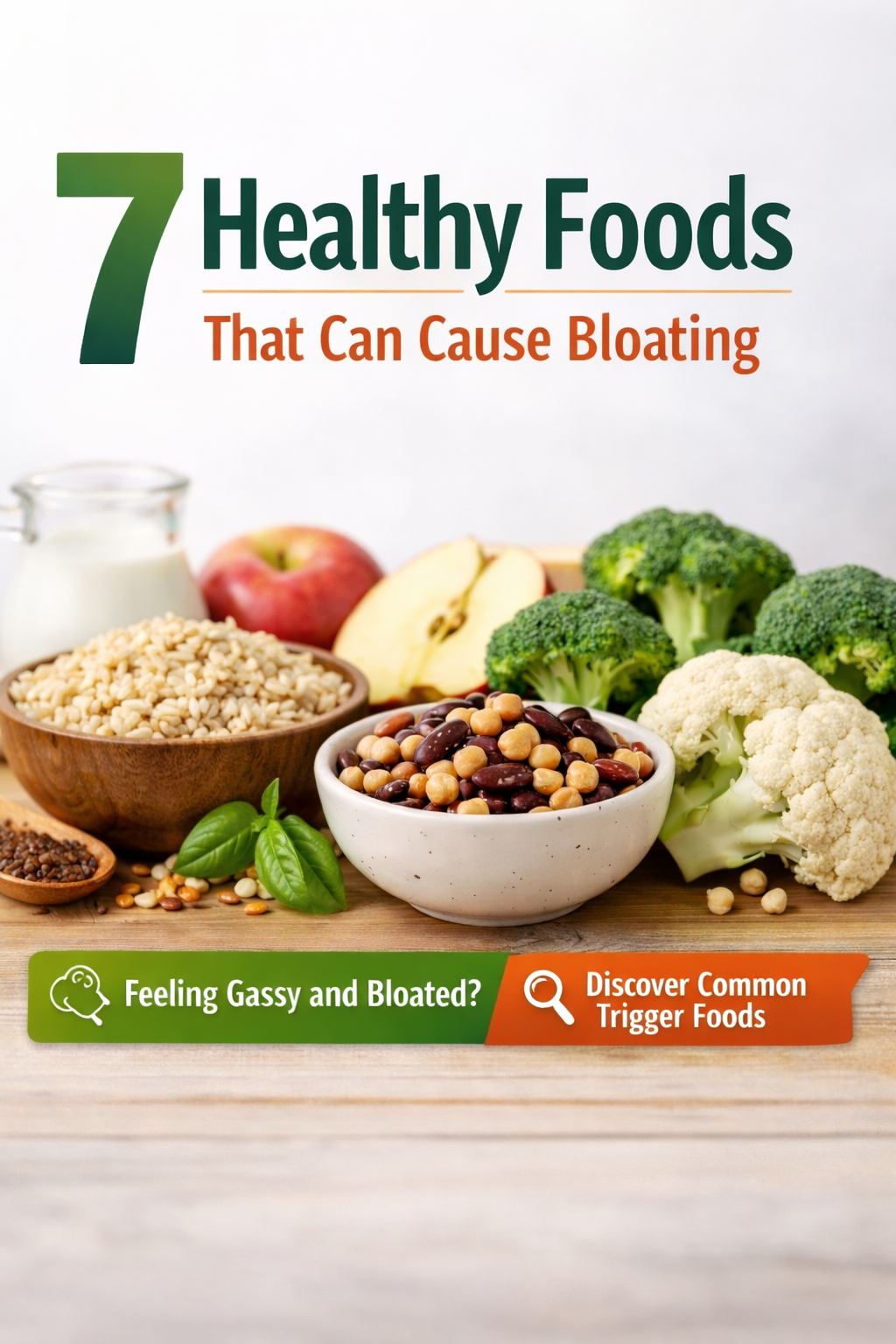
Feeling bloated even when eating healthy foods? Certain high-fiber foods can cause gas during digestion. Learn 7 common foods that may trigger bloating and what may help.
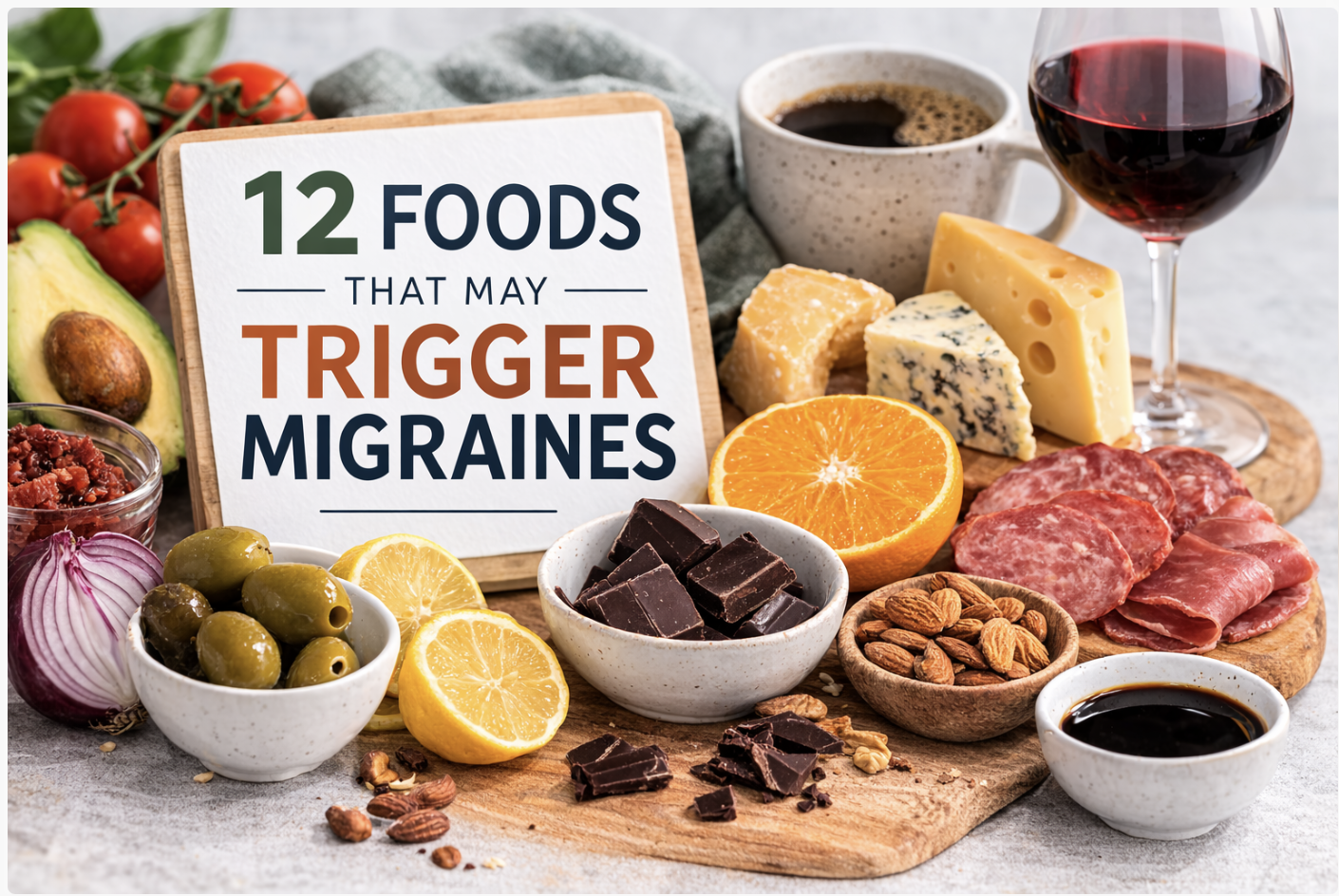
Migraines aren’t always random. Certain foods and food chemicals may trigger symptoms in some individuals. Learn which foods are most commonly linked to migraines.