
When most people lose weight, they focus on the number on the scale. What many don't realize is that fat tissue also stores certain environmental chemicals, called persistent organic pollutants (POPs). As fat cells shrink during weight loss, these compounds are released into the bloodstream before your liver and digestive system eliminate them. Research has shown that blood levels of these compounds can temporarily increase during significant weight loss.
The good news? Your body already has an incredibly sophisticated detoxification system. Instead of expensive "detox cleanses," the best approach is giving your liver and digestive tract the nutrients they need to do their job efficiently.
Do Fat Cells Really Store Toxins?
Yes.
Fat tissue acts like a storage site for certain pesticides and industrial chemicals, helping keep them away from vital organs like the brain and liver. As you lose body fat, those stored compounds are gradually released and processed through the liver before leaving the body through the digestive tract and kidneys.
This is completely normal and one more reason why good nutrition is especially important during weight loss.
The Best Foods to Support Your Body During Weight Loss
Cruciferous Vegetables
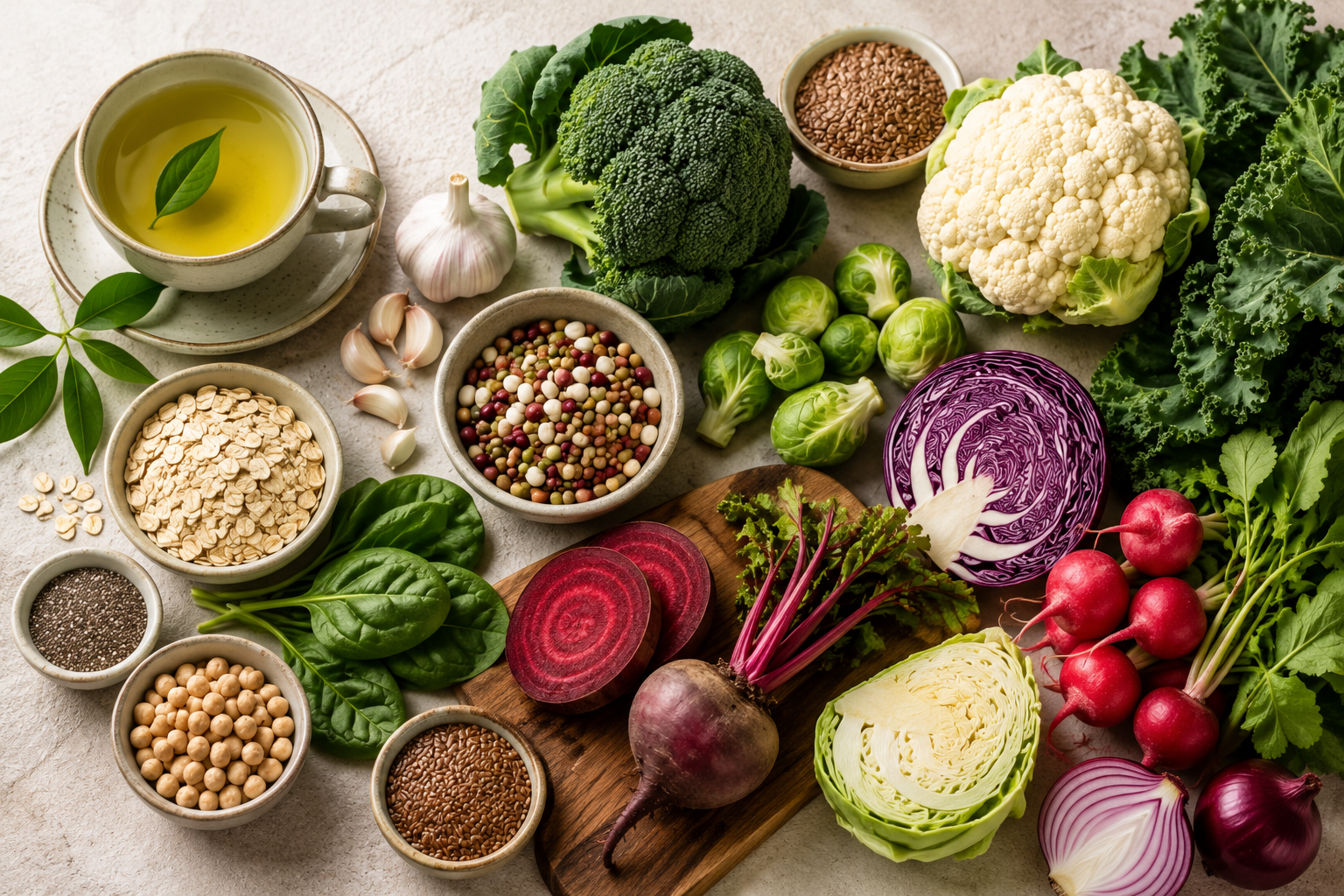
Broccoli, cauliflower, Brussels sprouts, cabbage, kale, bok choy, arugula, radishes, and turnips contain sulfur compounds that help activate liver enzymes involved in detoxification while supporting glutathione production—one of your body's most important antioxidants. Aim for 1–2 servings daily, lightly steamed to preserve beneficial compounds.
MY Dietitian Picks
🥦 Birds Eye Steamfresh Broccoli
Frozen with no prep
Affordable
Nutritionally comparable to fresh
🥬 Taylor Farms Power Greens
Includes kale and other cruciferous greens
Great for salads or smoothies
High-Fiber Foods
Once your liver processes toxins, fiber helps carry them out of the body. Without enough fiber, some compounds can be reabsorbed and processed again. Most adults should aim for 25–38 grams of fiber daily.
Excellent choices include:
Oats
Lentils
Chickpeas
Apples
Pears
Chia seeds
Ground flaxseed
MY Dietitian Picks
🌾 Bob's Red Mill Organic Golden Flaxseed Meal
Easy to add to oatmeal or smoothies
Rich in fiber and omega-3 fats
🌱 Organic India Whole Husk Psyllium
Minimal ingredients
Excellent option for increasing daily fiber intake
🥣 Bob's Red Mill Old Fashioned Rolled Oats
Whole grain
Budget friendly
Great breakfast staple
Garlic and Onion Family Vegetables
Garlic, onions, leeks, chives, and scallions contain sulfur compounds that support your liver's Phase II detoxification pathway—the step that helps convert compounds into forms your body can eliminate.
These ingredients are easy to include in soups, stir-fries, roasted vegetables, and homemade dressings.
Beets
Beets support methylation, promote healthy bile flow, and provide fiber along with naturally occurring antioxidants. Roast them, steam them, or shred them into salads.
MY Dietitian Pick
❤️ Love Beets Cooked Beets
Fully cooked
Ready to eat
Perfect for quick salads
Green Tea
Green tea contains catechins, antioxidants that support normal liver function. Drinking 1–2 cups daily is an easy habit that fits into most healthy lifestyles.
MY Dietitian Picks
🍵 Traditional Medicinals Organic Green Tea
Organic
Smooth flavor
Widely available
🍵 Bigelow Classic Green Tea
Budget friendly
Easy to find
Great everyday option
Three More Habits That Help
Nutrition is only one piece of the puzzle.
To support your body's natural detoxification process:
Drink plenty of water to support kidney function.
Stay regular by combining fiber, fluids, and physical activity.
Reduce unnecessary pesticide exposure when practical by choosing organic versions of produce with the highest pesticide residues.
A Dietitian's Bottom Line
Despite what social media may suggest, your body does not need a detox cleanse.
Your liver, kidneys, and digestive system are already designed to remove waste products efficiently. The best way to support them is by eating plenty of fiber-rich foods, cruciferous vegetables, garlic, onions, beets, and green tea while staying hydrated and maintaining regular bowel movements.
If you're taking Ozempic®, Wegovy®, Zepbound®, or Mounjaro®, nutrition becomes even more important. A registered dietitian can help you meet your protein and fiber goals, reduce side effects, and build sustainable eating habits that support long-term success.
Frequently Asked Questions
Can losing weight release toxins?
Yes. As fat cells shrink, stored persistent organic pollutants (POPs) can be released into the bloodstream before being processed and eliminated by the body.
Do I need a detox cleanse?
No. Healthy liver and kidney function, supported by a nutrient-rich diet, is your body's natural detoxification system.
What foods help support detoxification?
Cruciferous vegetables, fiber-rich foods, garlic, onions, beets, green tea, and adequate water intake all support your body's normal detoxification pathways.
Ready to Lose Weight While Protecting Your Nutrition?
Whether you're taking a GLP-1 medication or simply trying to lose weight in a healthy, sustainable way, Compass Nutrition's registered dietitians can help you build a personalized plan that supports your metabolism, digestive health, and long-term success.
Schedule an appointment today and let our dietitians help you reach your goals—without the gimmicks.
My Dietitian Picks: The products are selected by me based on ingredient quality, practicality, availability, and overall value. I only recommend products I would feel comfortable recommending to our own patients.