
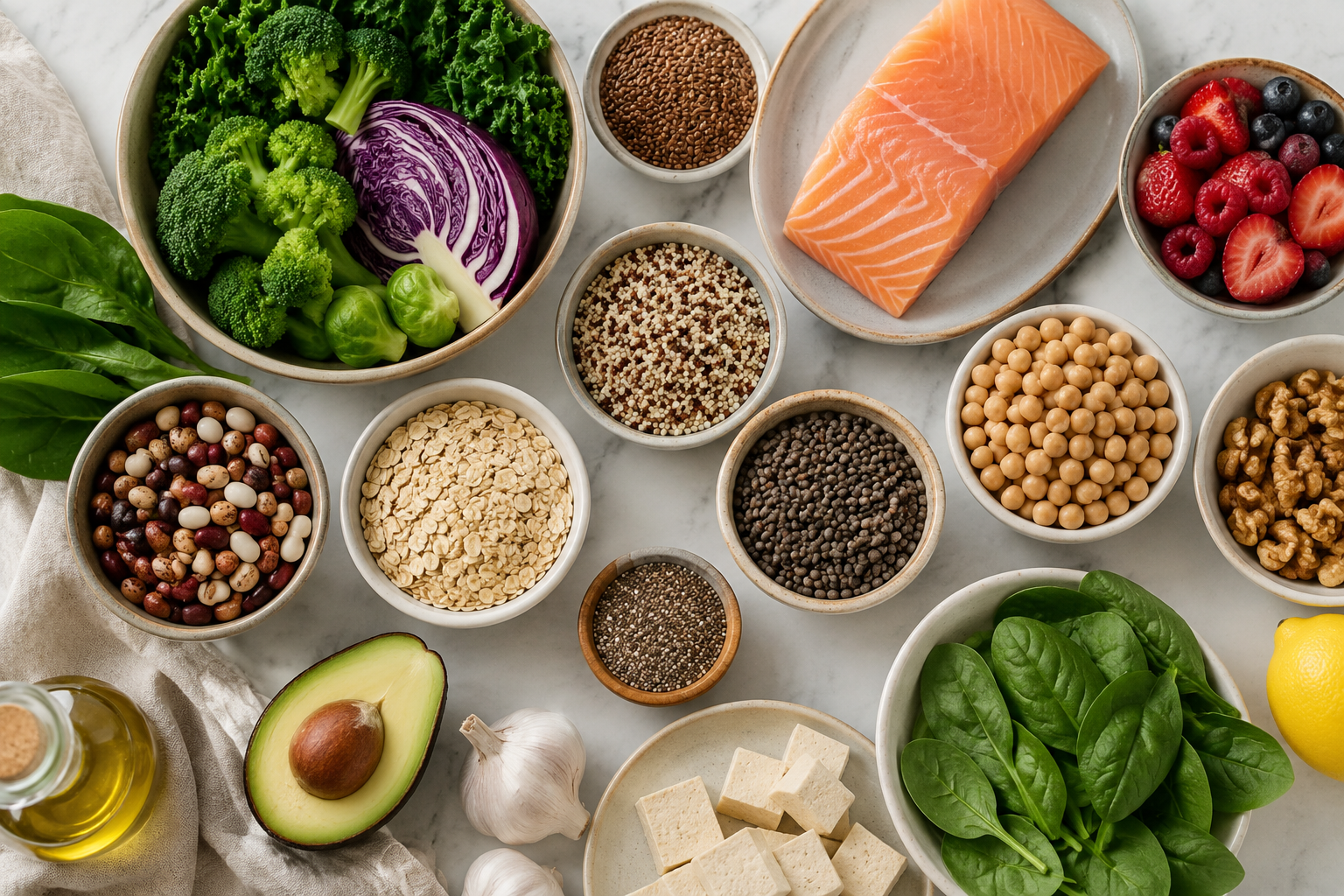
Uterine fibroids are incredibly common — especially during the reproductive years — yet many women feel frustrated trying to manage symptoms like heavy periods, bloating, pelvic pressure, fatigue, and discomfort.
While nutrition alone will not “cure” fibroids, the foods you eat may help support hormone balance, reduce inflammation, and improve overall well-being. Small changes can sometimes make daily symptoms feel more manageable and support your body alongside medical care.
What Are Fibroids?
Fibroids are non-cancerous growths that develop in or around the uterus. Some women never notice symptoms, while others experience:
Heavy or prolonged periods
Pelvic pain or pressure
Bloating
Frequent urination
Fatigue from blood loss
Constipation or abdominal discomfort
Because estrogen may play a role in fibroid growth, nutrition strategies that support healthy hormone metabolism and lower inflammation are often recommended as part of overall care.
Foods That May Support Women with Fibroids
1. Colorful Fruits & Vegetables
A diet rich in fruits and vegetables provides fiber, antioxidants, and plant compounds that may support hormone balance and inflammation control.
Cruciferous vegetables like:
Broccoli
Kale
Cabbage
Brussels sprouts
are especially helpful because they support the body’s natural estrogen metabolism pathways.
Aim to fill at least half your plate with colorful produce whenever possible.
2. Whole Grains
Whole grains provide fiber that supports digestion and helps the body eliminate excess hormones more effectively.
Good options include:
Oats
Brown rice
Quinoa
Whole grain breads
Whole wheat pasta
Higher-fiber eating patterns may also help support steadier energy levels and blood sugar balance.
If heavy periods, bloating, fatigue, or digestive symptoms are affecting your quality of life, personalized nutrition support may help you feel more in control.
At Compass Nutrition, we help women create realistic, symptom-aware nutrition strategies designed to reduce overwhelm — not add to it.
3. Beans, Lentils & Legumes
Beans, lentils, and peas are excellent plant-based sources of:
Fiber
Protein
Iron
Anti-inflammatory nutrients
They may also help support healthy estrogen metabolism and improve fullness after meals.
Try:
Lentil soups
Chickpea salads
Black bean bowls
Hummus with vegetables
4. Plant-Based Proteins
Some research suggests moderate soy intake may support hormone balance when included as part of a balanced diet.
Examples include:
Tofu
Tempeh
Edamame
These foods also provide protein that can help support stable energy and satiety.
5. Healthy Fats & Omega-3s
Omega-3 fatty acids may help support reduced inflammation, which can be beneficial for overall reproductive health.
Include foods like:
Salmon
Walnuts
Chia seeds
Flaxseeds
Ground flaxseed can be an easy addition to smoothies, oatmeal, or yogurt.
Nutrition Tips for Managing Fibroid Symptoms
Prioritize Iron-Rich Foods
Heavy menstrual bleeding can increase the risk of low iron levels or anemia.
Include foods such as:
Lean proteins
Spinach
Lentils
Beans
Fortified cereals
Pair iron-rich foods with vitamin C sources like strawberries, oranges, or bell peppers to improve absorption.
Stay Hydrated
Bloating and constipation may feel worse when hydration is low. Water, herbal teas, and high-water fruits and vegetables can support digestion and overall comfort.
Focus on Consistency — Not Perfection
You do not need a “perfect” diet to support your health. Small, sustainable habits tend to be more effective long-term than overly restrictive approaches.
When to Seek Additional Support
If fibroid symptoms are affecting your energy, comfort, digestion, or daily life, working with a registered dietitian can help you create a realistic plan that fits your symptoms, lifestyle, and goals.
Nutrition may not eliminate fibroids, but it can play a supportive role in helping you feel better overall.
Final Thoughts
Living with fibroids can feel physically and emotionally exhausting — especially when symptoms interfere with work, sleep, movement, or confidence.
The goal of nutrition is not perfection. It is support.
Focusing on fiber-rich foods, anti-inflammatory fats, plant-forward meals, and consistent eating habits may help support hormone balance and overall wellness while you work with your healthcare team on the best treatment plan for you.