
Reviewed by Adiana Castro, MS, RDN, CDN, LDN, CLT
Nutrition doesn’t cause or cure ADHD, but what you eat can play a supporting role in energy, focus, mood, and overall brain health.
For people with ADHD, the bigger nutrition challenge is often surprisingly practical: remembering to eat, planning meals, or finding something nourishing when preparing food feels like one more task.
Here’s what to know about nutrition and ADHD—and a few simple ways to make eating well easier.
How can ADHD affect eating habits?
ADHD can influence eating just as eating patterns can influence how you feel throughout the day.
Some people with ADHD may be more likely to:
Forget or skip meals
Eat at inconsistent times
Reach for convenient foods when planning feels difficult
Have difficulty noticing hunger or fullness cues
These patterns are important because going long periods without eating can make it harder to maintain steady energy throughout the day. The source material also notes that irregular eating and reliance on highly convenient foods appear frequently in ADHD research.
What foods may support people with ADHD?
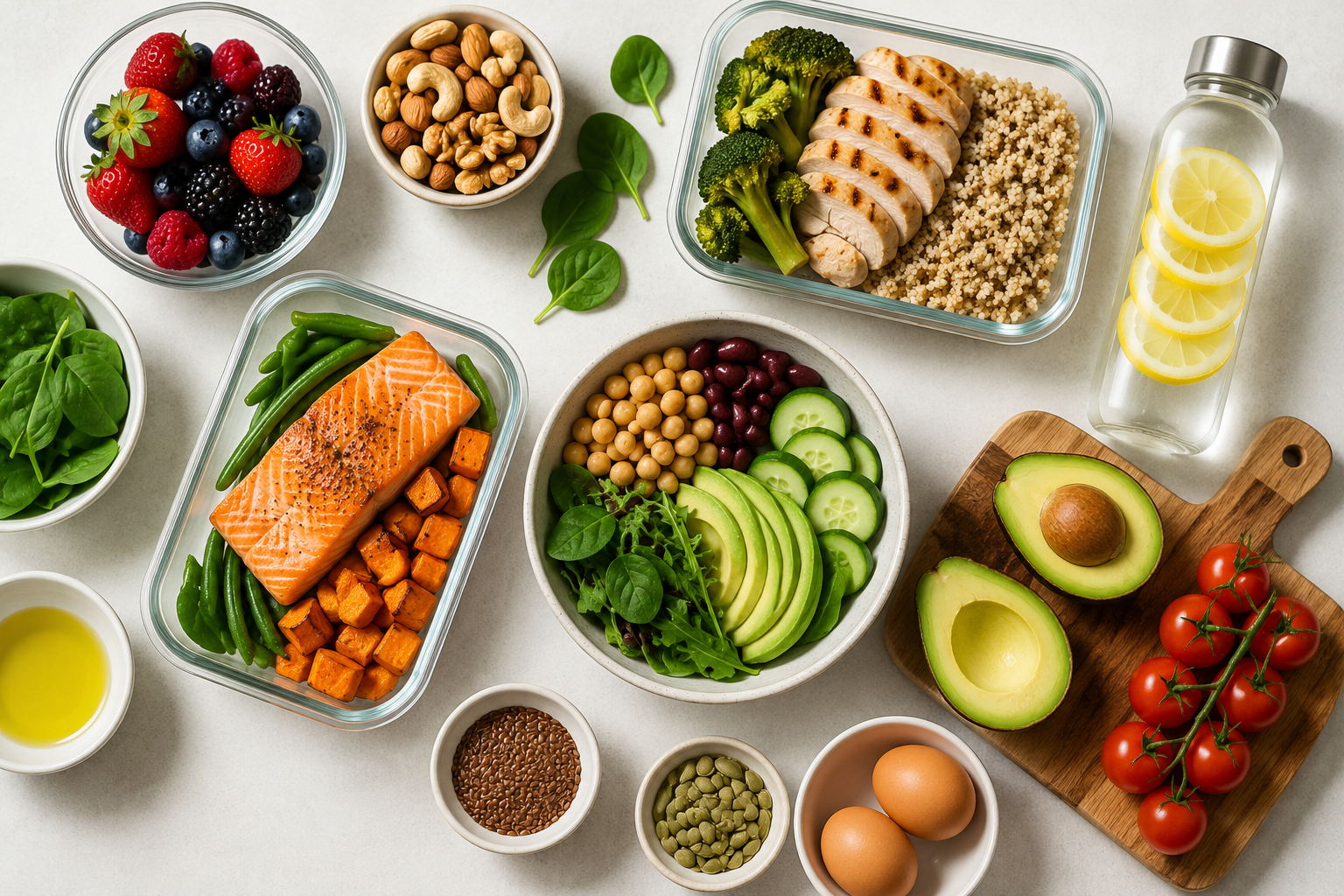
There isn’t one specific “ADHD diet.” Instead, focus on a variety of nutrient-dense foods that provide nutrients involved in normal brain and nervous-system function.
Some nutrients commonly studied in relation to ADHD include:
Omega-3 fatty acids: salmon, sardines, walnuts and flaxseed
Iron: meat, beans, spinach and fortified cereals
Zinc: beef, pumpkin seeds and chickpeas
Magnesium: leafy greens, almonds, avocado and whole grains
B vitamins: fish, poultry, eggs, legumes and leafy greens
Vitamin D: fatty fish, egg yolks and fortified foods
These nutrients are among those highlighted in the research reviewed in the source material.
The goal isn’t to find a “magic” food. It’s to create a pattern of eating that regularly provides your body and brain with the nutrients they need.
Protein can make meals easier to build
One simple strategy is to start with a protein source and build the meal around it.
Think eggs or Greek yogurt at breakfast, chicken or beans at lunch, nuts or cheese for a snack, and fish, poultry, tofu or legumes at dinner.
If figuring out what to eat is the hardest part, Compass Nutrition’s 7-Day Protein Plan ($4.99) provides a full week of protein-forward meals and snacks, recipes, a grocery list, and simple swaps.
→ Get the 7-Day Protein Plan
That kind of structure can be particularly useful when meal planning and decision-making feel overwhelming.
What if ADHD medication affects appetite?
Some stimulant ADHD medications can reduce appetite, making it easier to unintentionally skip meals or lose weight. Appetite may also return later in the day as medication effects wear off.
If this happens, strategies might include eating a substantial breakfast, keeping easy snacks available, or taking advantage of times when appetite is strongest.
Medication timing and nutrition needs vary, so discuss significant appetite or weight changes with your healthcare provider.
3 ADHD-friendly nutrition habits to try
You don’t need to overhaul your diet. Start with three things:
Eat on a schedule. If you tend to forget meals, use calendar or phone reminders.
Make nutritious foods visible and convenient. Keep easy snacks where you'll actually see them.
Reduce food decisions. Repeat breakfasts, keep a short list of go-to meals, or use a meal plan rather than deciding what to eat from scratch every day.
The original resource similarly recommends consistent mealtimes, accessible nutrient-dense snacks, meal preparation, shopping with a plan, and keeping food visible.
The bottom line
Nutrition can support ADHD management, but it isn't a replacement for medication, therapy, or other medical treatment.
The most useful nutrition strategy is often the one you can actually follow: regular meals, enough protein, nutrient-dense foods, and fewer decisions about what to eat.
If you want a simple place to start, explore the Compass Nutrition 7-Day Protein Plan ($4.99) for a ready-to-use week of meals, snacks, recipes, and a grocery list.
For individualized nutrition guidance, schedule an appointment with a Compass Nutrition registered dietitian.