
Reviewed by: Adiana Castro, MS, RDN, CDN, LDN, CLT
Digestive enzyme supplements are everywhere—but do they actually work?
The answer depends on why you're having digestive symptoms. While digestive enzymes can help some people, most healthy adults naturally produce enough enzymes to digest food effectively.
Here's what every consumer should know.
Most people do not need digestive enzyme supplements because the body naturally produces enough enzymes to digest food. Supplements may help people with lactose intolerance, pancreatic enzyme deficiencies, or difficulty digesting certain foods.
What Are Digestive Enzymes?
Digestive enzymes are proteins your body produces to break down food into nutrients that can be absorbed.
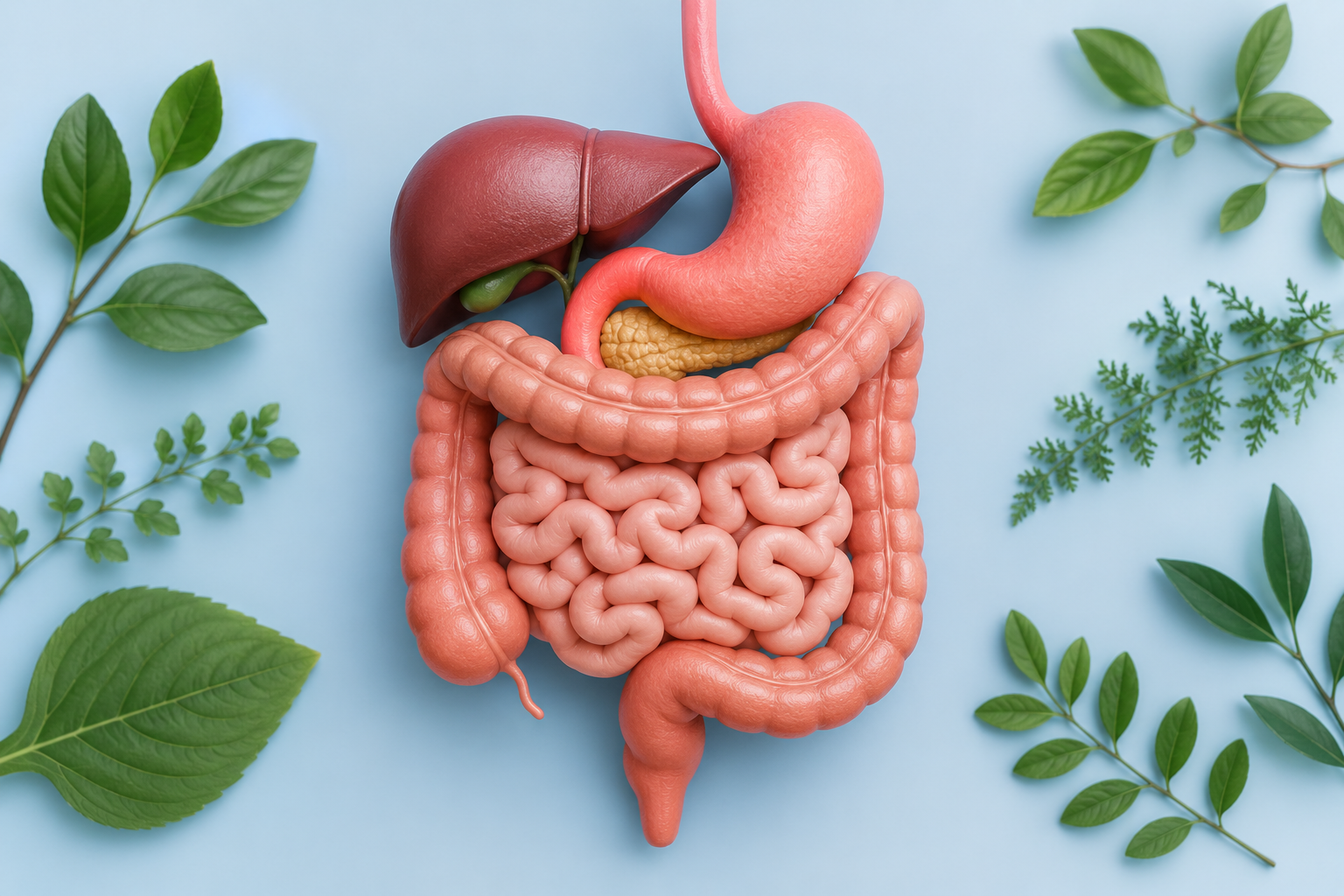
Your digestive system naturally makes enzymes in several places:
Mouth: begins carbohydrate digestion
Stomach: starts protein digestion
Pancreas: produces enzymes for carbohydrates, proteins, and fats
Small intestine: completes digestion and absorbs nutrients
Common Digestive Enzymes
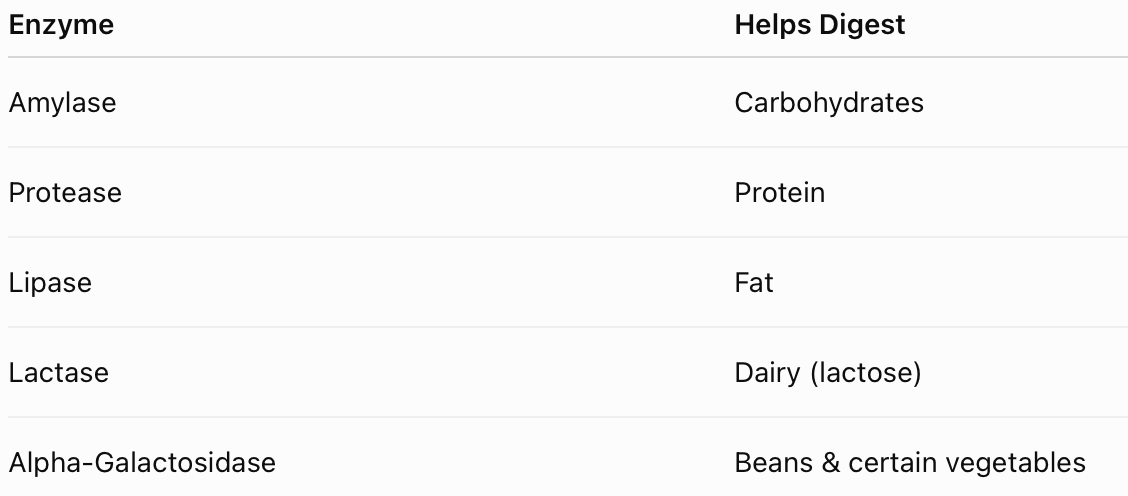
Each enzyme has a specific role, which is why the right supplement depends on the food you're having difficulty digesting.
Do Digestive Enzyme Supplements Work?
Research supports digestive enzyme supplements for specific medical conditions, including:
Lactose intolerance
Exocrine pancreatic insufficiency (EPI)
For otherwise healthy individuals, evidence for broad-spectrum digestive enzyme supplements is less clear.
Dietitian Picks ⭐
Best for Dairy Intolerance
✅ Lactase enzyme
Lactase enzyme can help reduce gas, bloating, and stomach discomfort caused by dairy products in people with lactose intolerance. For best results, take it just before or with your first bite of dairy-containing foods.
Dietitian Tip: Lactase works by helping your body break down lactose, the natural sugar found in milk, cheese, yogurt, and ice cream. It won't improve digestion if lactose isn't the cause of your symptoms.
Selected by Compass Nutrition based on ingredient quality and intended use. Supplements should not replace a balanced diet or personalized medical advice.
Some people may experience nausea, stomach discomfort, diarrhea, or constipation. If symptoms occur, stop using the supplement and contact your healthcare provider.
Best for Beans & Cruciferous Vegetables
✅ Alpha-Galactosidase
Can help reduce gas caused by beans, broccoli, Brussels sprouts, cabbage, cauliflower, and other gas-producing vegetables when taken with these foods.
Dietitian Tip: This enzyme works by breaking down complex carbohydrates before they reach the large intestine, where they can ferment and produce gas.
Selected by Compass Nutrition based on ingredient quality and intended use. Supplements should not replace a balanced diet or personalized medical advice.
Some people may experience nausea, stomach discomfort, diarrhea, or constipation. If symptoms occur, stop using the supplement and contact your healthcare provider.
Best Overall Digestive Support
✅ A high-quality multi-enzyme formula
A multi-enzyme formula may be appropriate for people who have difficulty digesting a variety of foods. Choose products from reputable manufacturers that clearly disclose enzyme amounts and quality standards.
Dietitian Tip: Digestive enzymes work best when they match the digestive issue you're trying to address. They are not intended for everyone, and most healthy adults naturally produce enough digestive enzymes.
Selected by Compass Nutrition based on ingredient quality and intended use. Supplements should not replace a balanced diet or personalized medical advice.
Some people may experience nausea, stomach discomfort, diarrhea, or constipation. If symptoms occur, stop using the supplement and contact your healthcare provider.
Dietitian Tip 💡
Before spending money on supplements, try improving digestion naturally by:
Eating slowly
Chewing food thoroughly
Drinking enough water
Eating more fiber-rich foods
Managing stress
Walking for 10–15 minutes after meals
Healthy lifestyle habits remain the foundation of good digestion.
When to See a Healthcare Provider
Schedule an evaluation if you experience:
Frequent digestive symptoms
Ongoing diarrhea
Unexplained weight loss
Symptoms that interfere with daily life
Frequently Asked Questions
Are digestive enzymes the same as probiotics?
No. Digestive enzymes help break down food, while probiotics are beneficial bacteria that support the gut microbiome.
Should everyone take digestive enzymes?
No. Most healthy people naturally produce enough digestive enzymes to digest food normally.
Can digestive enzymes help with bloating?
They may help if bloating is caused by difficulty digesting specific foods, such as dairy or beans. They are not a universal treatment for bloating.
Are digestive enzymes safe?
Digestive enzyme supplements are generally well tolerated, though some people may experience nausea, stomach discomfort, diarrhea, or constipation. If symptoms occur, stop using the supplement and contact your healthcare provider.
Bottom Line
Digestive enzymes can be valuable when they're matched to the right digestive problem—but they're not a cure-all. If symptoms persist, work with a registered dietitian or healthcare provider to identify the underlying cause before relying on supplements.