
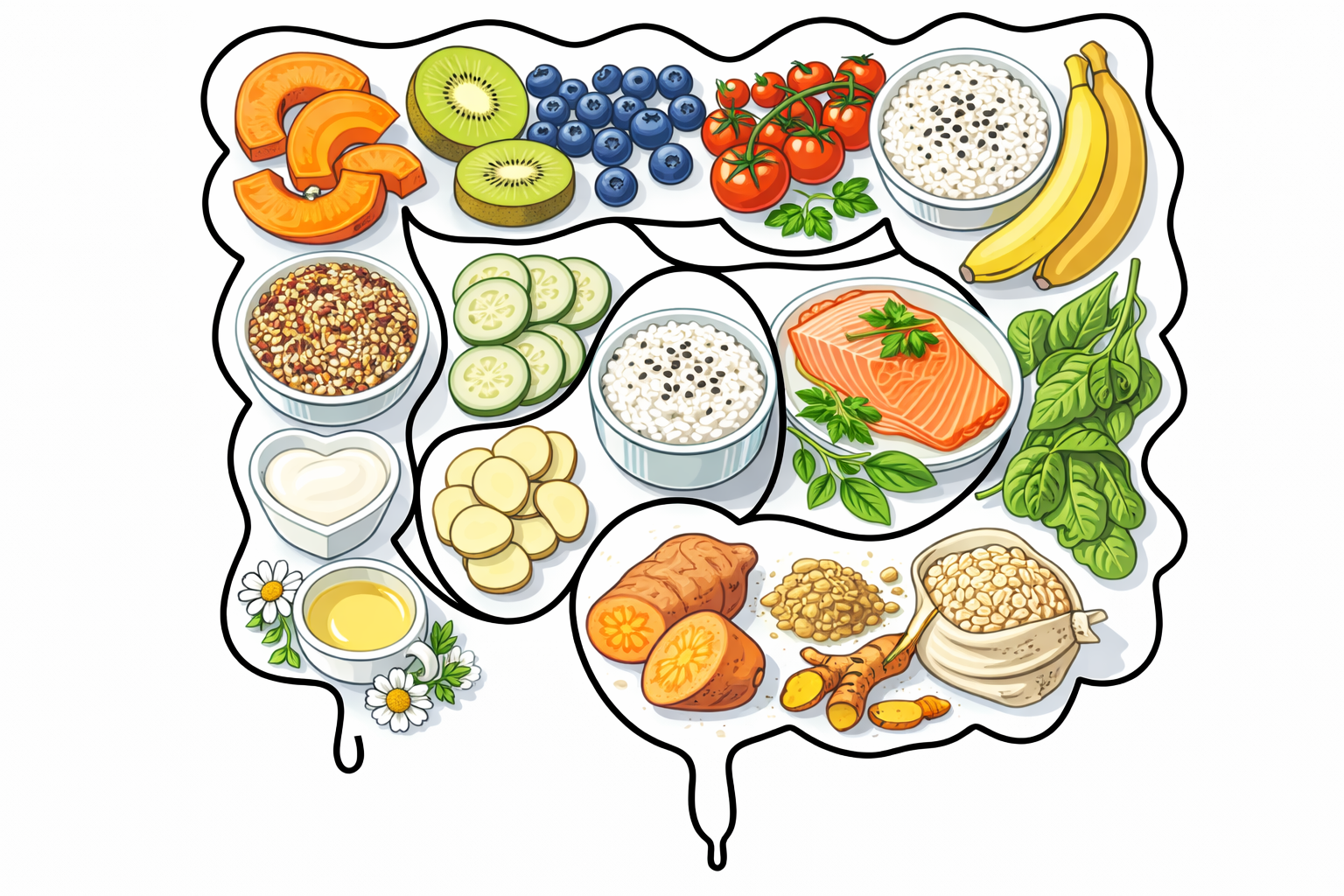
Nutrition Support for IBS & Digestive Discomfort
Digestive symptoms like bloating, gas, abdominal pain, constipation, or diarrhea can be frustrating and disruptive—especially when they seem unpredictable. If you’ve been told you have IBS or are struggling with ongoing digestive discomfort, nutrition can play a meaningful role in identifying patterns and reducing symptoms.
At Compass Nutrition, our dietitians provide personalized, evidence-based support to help patients better understand their digestion and feel more confident about what they eat.
How Nutrition Affects IBS & Digestive Symptoms
IBS and digestive discomfort are influenced by more than just “problem foods.” Symptoms can be affected by:
Meal timing and portion size
Types of carbohydrates and fibers
Fat intake and food combinations
Stress, sleep, and lifestyle patterns
Under-fueling or irregular eating
Because symptoms vary widely from person to person, generalized elimination diets often create more confusion than clarity. A structured, personalized approach is key.
Common Digestive Symptoms We See
Patients often come to us for support with:
Bloating or abdominal distension
Gas or discomfort after meals
Diarrhea, constipation, or alternating patterns
Cramping or abdominal pain
Food-related anxiety or fear of eating
Symptoms that persist despite “eating clean”
Our goal is to reduce symptoms without unnecessary restriction.
How Compass Nutrition Supports Digestive Health
Our approach to digestive health focuses on clarity, structure, and sustainability. When working with a dietitian at Compass Nutrition, support may include:
A detailed symptom and nutrition assessment
Identifying patterns related to food, timing, and lifestyle
Strategic adjustments to fiber, carbohydrates, and meal balance
Guidance around elimination or reintroduction when appropriate
Ongoing support to reduce fear around food
We prioritize realistic strategies that fit into daily life—not rigid rules.
When Food Sensitivity Testing May Be Helpful
For some patients with persistent digestive symptoms, targeted testing can provide additional insight. Mediator Release Testing (MRT) may help identify inflammatory responses to certain foods that are not detected through traditional allergy testing.
MRT is not required for everyone, but it can be a helpful tool when symptoms remain unclear despite careful dietary changes.
👉 Learn more about MRT testing and how it’s used as part of a guided nutrition plan.
What to Expect from a Digestive Health Appointment
Digestive health appointments are designed to be thorough and supportive. During your initial visit, your dietitian will review your health history, symptoms, eating patterns, and goals. Together, you’ll create a plan that prioritizes symptom relief while maintaining adequate nutrition.
Appointments are available for patients in New York, with both in-person and virtual options.
👉 Work with our dietitians in New York who understand digestive health.
Frequently Asked Questions
Can nutrition really help IBS symptoms?
Yes. While IBS doesn’t have a single cause, nutrition plays a key role in symptom management. Personalized guidance can help reduce triggers while maintaining balance and variety.
Do I need to eliminate a lot of foods?
Not necessarily. Many patients benefit from targeted adjustments rather than long-term restriction. The goal is to expand tolerance over time, not shrink your diet.
Is this covered by insurance?
Nutrition counseling may be covered depending on your plan and diagnosis, however insurance will not cover the cost of the MRT test.
Can appointments be done virtually?
Yes. We offer virtual nutrition counseling for patients throughout New York and for other states.